
How to Choose a Deck Stain in San Antonio
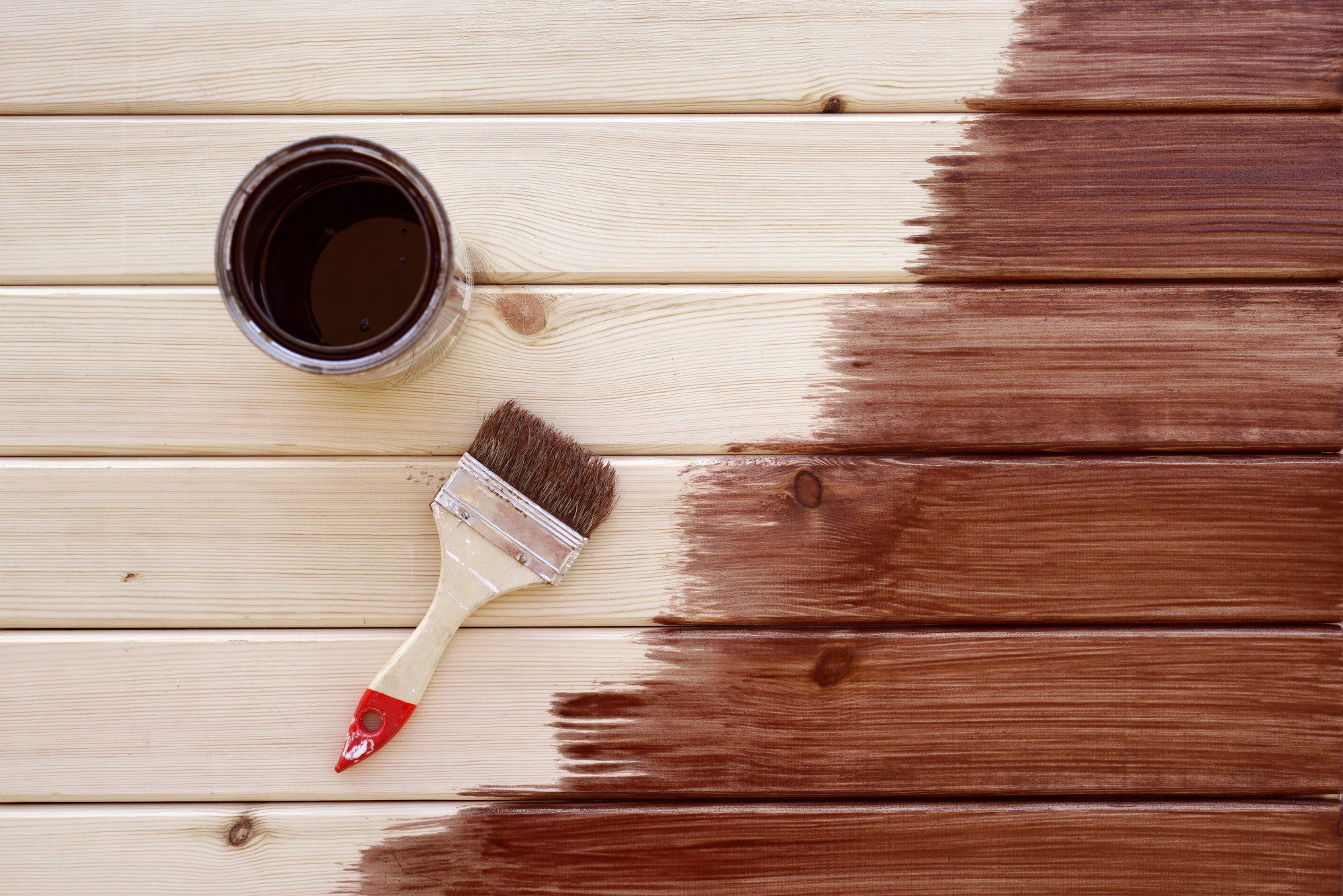
Before you stain your deck, you need to know which product will provide the best results. Here’s how to choose a deck stain in San Antonio.
A wooden deck vastly improves the value, function, and space of your home. These spaces are perfect for spending time with family when the weather is nice. The only problem is that these spaces are exposed to foot traffic and weather alike.
How can you protect your deck from this? Is there a way to keep it from fading and rotting?
Deck stain protects the quality and appearance of wood for much longer than exposed wood. Are you wondering what to consider for deck stain?
You first need to understand what your options are. Not every stain is right for your home and deck.
When you choose deck stain, think about what type of wood your deck is made from. Then consider what color and opacity you want your deck to be. Read on to learn how to choose a deck stain for your space.
Color
What color do you want your deck to be? Do you want a dark wood look or something lighter? What about staining it a fun color like blue or red?
Everyone has their own opinions on colors, and there’s no wrong answer.
Some people might want to match their deck to their siding. If you have a white house, then a white deck makes it feel like an extension of the house. It all feels like one solid piece instead of two separate spaces.
Others take a different approach to this and choose a color that compliments their siding instead of matching it. For example, a house with green siding might look pretty with a brown deck. The idea is to establish two separate spaces that look nice together instead of a single unit.
Those that take their siding into account might also think about their deck furniture and landscaping. Don’t be afraid to take your surroundings into account when choosing a deck stain. Maybe you’ll choose to go with a more natural wood tone to match the surrounding scenery or match your deck to flowers in your yard.
At the end of the day, the point is to create an outdoor space that you’ll genuinely want to spend time in. This is the most important thing the color you choose will do for you. It’s your chance to show off your personal taste for your home.
So go ahead and choose colors that pair well with your yard, siding, and furniture. Your stained deck will be the final piece in the puzzle that brings it all together and makes it look like a classical painting.
Opacity
Alongside color, you also have to choose the opacity of your stain. Think about how much you want your wood to take center stage. Do you want it to look more natural, or do you want it more uniform and solid?
You can get many stains in a range of opacity from clear to solid.
A clear stain doesn’t add color to your deck and doesn’t cover up the natural beauty of your wood. You and your guests will still see all of the texture, grains, and knots in the wood whenever you’re on your deck. This protects the deck from rot and aging while keeping the original appearance of the wood.
Translucent stains add some color while still displaying the detail of the wood. This gives the wood the appearance of being natural but in reality, the wood is a few shades lighter.
Stain Transparency
Semi-transparent stains show less of the wood’s imperfections and provide more color. You can get these in a light stain to get close to the wood’s natural color, or completely change the wood’s appearance with a dark stain. Your guests may not even notice the difference between these stains and clearer stains.
A semi-solid stain generally comes in darker shades. These cover most but not all of the wood’s imperfections and can give the illusion that your deck was made from a darker wood than it really was.
Finally, solid stains completely cover the imperfections in the wood. They come in the widest varieties of colors and completely change the appearance of the deck.
Wood Type
Finally, think about what type of wood your deck is made of. Certain woods have a natural beauty to them that you might not want to cover up.
Woods like walnut and mahogany are more expensive and are well known for their beauty to begin with. Chances are if your deck was made from these woods, then you probably want to maintain the natural beauty of the wood. For these woods, a clear stain is probably the best deck stain for you.
On the other hand, many people are going to use lower-cost pressure-treated woods to build their decks. Pine is a good example of such a type of lumber. You get more freedom in your wood stain choices in this case.
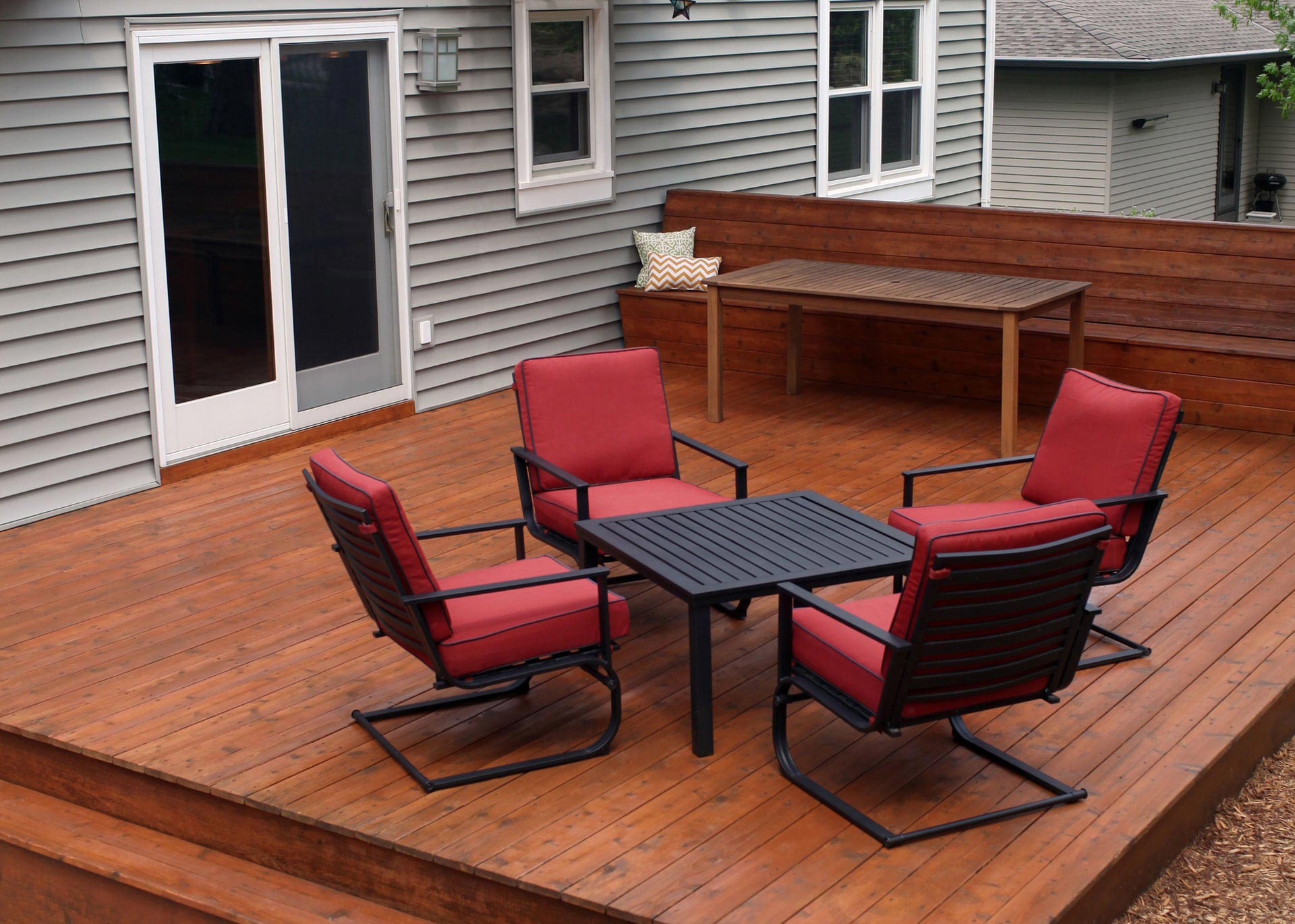
Most people don’t care as much about the natural look of pine, so it’s common to use semi-transparent to solid stains for these decks. However, if you like the natural look of your pinewood, then there’s nothing wrong with using a clear or translucent stain on these decks.
Some stains, however, are best for use on a specific type of wood, so knowing what wood you have is useful for narrowing down your options.
If you don’t know what wood your deck is made from, then you can always consult an expert. They should have an idea of what kind of wood was used by looking at it and touching a sample. Each wood has a distinct color and texture that gives it away.
How to Choose a Deck Stain
Now you need to choose a deck stain. The type of wood, color, and opacity of the stain you want should have already helped you narrow down your options. Go ahead and pick up small sample sizes of all of the stains you’re considering.
When you get home, apply the samples of each stain you selected. Use space that you aren’t using, and try to apply each stain to only one board each. If you have extra lumber for the deck, then use those and place the samples approximately where the deck will be.
Let the samples dry, and spend a few days deciding which stain is your favorite. Make sure that you keep track of which board has each stain on it. Otherwise, you may end up purchasing the wrong stain.
Once you’ve selected which deck stain to use, then you need to remove all of your samples from the wood. If you do not remove the sample stains from the deck, then there will be areas on it that are of a different color and texture. You want your deck to be uniform once you stain it.
Do not sand your deck to remove the stains as this will make the wood uneven and will not fully remove the stain.
Instead, use a stain remover solution to remove all of the samples. Apply this until the wood is the original color and let it dry. Then you’re ready to stain the whole deck.
How to Stain a Deck
Before staining a deck, you want to ensure that the wood can accept stain. If the wood is too wet, then it’s too saturated for the stain to soak in.
To test this, all you need to do is sprinkle a small amount of water onto the deck. If it soaks in immediately, then the wood isn’t saturated and will soak in the stain. If the water puddles or beads, then wait until it gets drier before you continue.
Next, remove all furniture from the deck and place protective sheets on your siding to prevent your stain from getting on it. Sweep, clean, and rinse the deck off before you stain. Scrub any spots that are still dirty.
Let the deck dry again after you clean it. Do another water droplet test. If it succeeds, then you may begin staining.
Try to wait for a cooler, more overcast day to stain your deck. If you stain in direct sunlight, then the stain will dry too quickly and not adhere to the deck. Gently sand the deck so the stain will stick better first.
To apply the stain, simply use a brush, roller, or sprayer. Don’t allow the stain to puddle. It may be best to have one person spray and another use a roller or brush to work the stain into the wood.
Start Staining a Deck Today
Following these steps is not only how to choose a deck stain, but how to choose the best deck stain for your space. When buying deck stain, this is the best way to ensure you’ll love your outdoor space for years to come.
And when you’re ready to build your deck, you should trust the experts here at Alamo Decks and Fence. We’re the best in the business for gorgeous custom decks of any wood and stain you can imagine.
Contact us today and see how we can help you make your perfect outdoor space.
BUILD YOUR FENCE TODAY!
If you’re looking to beautify and enhance the security of your property, turn to Alamo Decks & Fence in Bexar County. We truly value our customers, which is why you can trust us to build your fence using the highest quality materials at the best prices possible.