
Best Wood for a Fence in San Antonio: Choose the Right Lumber Before You Build
Whether you plan to replace your old wood fence or build a brand new one, you may wonder which lumber is best. Cedar, pine, redwood, and cypress all have benefits and drawbacks. Do your homework now, and you won’t be replacing boards in a few years.
The short answer: For most San Antonio homes, the best wood for a fence is #1 grade Western Red Cedar pickets on ground-contact treated posts or galvanized steel posts. Pressure-treated pine is the best budget choice. Redwood and cypress work too. They just cost more here and vary in quality.
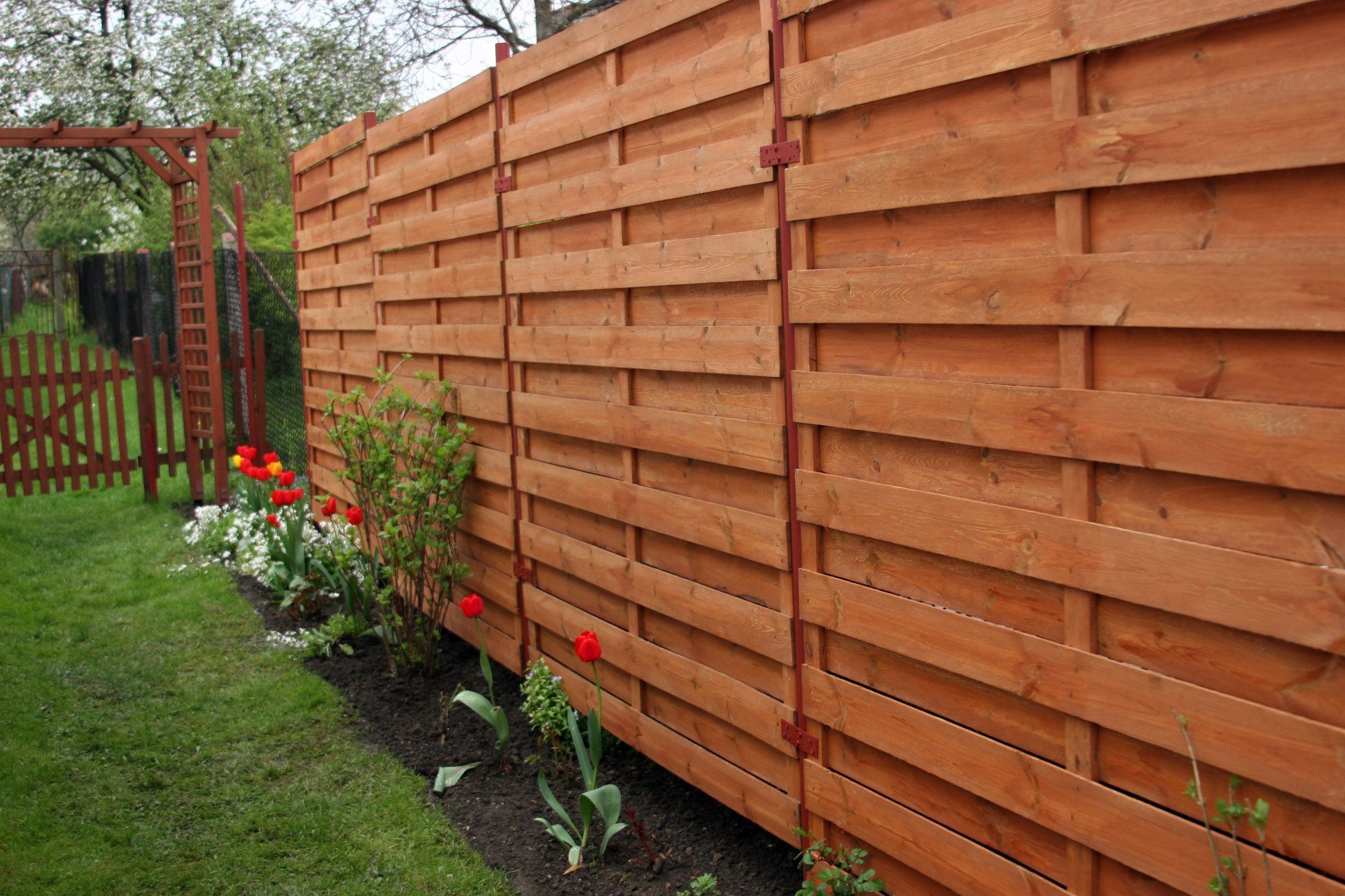
What to Consider When Choosing Fence Lumber in San Antonio
Here’s what to weigh before you pick the wood for your new fence in Alamo Heights or anywhere in San Antonio.
Climate
The wood you choose depends on your weather, and San Antonio is hard on fences. Based on NOAA’s 1991 to 2020 climate normals, the city averages 122 days a year in the 90s and 18 days above 100°F. It also sees about 14 nights at or below freezing.
That swing matters. Wood swells when it gets wet and shrinks as it dries. Weak boards crack, split, cup, and warp.
Pick a species with low shrinkage. Buy lumber that was dried before it reached your yard.
Budget
Your budget will shape your choice, too. With a flexible budget, cedar or redwood gives you natural rot resistance and a richer look. On a tight budget, pressure-treated pine offers solid protection for less money up front.
Look at cost over the life of the fence, not just the first bill. A cheap fence that lasts 10 years can cost more than cedar that lasts 20.
Our cedar vs. pine comparison breaks down both options.
Insects
Termites will eat through a wooden fence and weaken it from the inside. This is a real risk in Texas. Texas A&M AgriLife Extension reports that subterranean termites cause about $500 million in damage across the state each year.
The Bexar County extension office has also confirmed Formosan termites in the county. This invasive species eats more kinds of material, and eats them faster, than native termites.
Choose posts and pickets with natural or treated resistance to insects and rot. Keep mulch, firewood, and sprinkler spray away from the fence line.
Soil and Ground Contact
Most wood fences fail first at the ground line. Posts sit in damp soil, where rot and termites do the most harm.
Many San Antonio neighborhoods also sit on clay soil that swells when wet and shrinks when dry. That movement can push posts out of line over time.
This is why the posts matter more than the pickets. We cover post options below.
5 Most Popular Types of Wood for Fencing
Knowing the common fence woods makes the choice easier. One rule fits every type: buy heartwood. The USDA Forest Products Laboratory says to use heartwood where rot is likely. Sapwood, the light outer layer, rots much faster in any wood.
1. Western Red Cedar
Western Red Cedar is the top choice for most Texas fences. Its heartwood holds natural oils called thujaplicins that help it fight rot. The USDA rates its heartwood as resistant to very resistant.
Cedar also shrinks less than pine, so it holds its shape in the heat. It takes stain well and turns silver-gray if you leave it bare.
With regular sealing, a cedar fence typically lasts 15 to 25 years in San Antonio.
Grade matters. #1 grade pickets have fewer knots and less sapwood. #2 grade pickets cost less, but they often have loose knots and thinner boards.
2. Pressure-Treated Pine
Pine is one of the most common fence woods because it’s cheap and easy to find. On its own, though, the USDA rates most pine low for decay resistance.
Pressure treatment forces preservatives deep into the wood. That gives it strong protection against rot and termites.
Treated pine makes strong posts and rails, and it takes paint well. The trade-off is movement. Pine tends to twist and cup as it dries in the Texas sun.
Let it dry before you seal it, then restain every 1 to 2 years. With good care, expect 10 to 15 years of life.
3. Redwood
Redwood is most popular on the West Coast, where it grows. Tannins give it a smooth, deep red color. It looks great, but it costs more than cedar in Texas because it ships from California.
Quality varies more than most buyers know. The USDA rates old-growth redwood heartwood as resistant to very resistant. Most redwood sold today is younger growth, which is only moderately resistant.
Heartwood redwood can last 20 to 30 years with good maintenance.
4. Cypress
Bald cypress grows in Texas and the Southeast, so it’s easier to find here than redwood. According to the USDA, old-growth cypress heartwood is one of the most decay-resistant woods in the country. Second-growth cypress, which makes up most of today’s supply, is only moderately resistant.
Cypress shrinks a bit more than cedar but less than pine. Seal it every 2 to 3 years to keep its honey color. Expect 15 to 20 years with care.
5. Japanese Cedar
Japanese cedar is a newer, cheaper option in Texas fencing. Despite its name, it isn’t a true cedar. It’s Cryptomeria japonica, a member of the cypress family. Fresh pickets look a lot like Western Red Cedar, so some suppliers sell it as plain “cedar.”
The catch is strength and track record. Pickets are often thinner and can split during installation. The wood also has far less history in Texas than Western Red Cedar.
If a quote just says “cedar,” ask which species. You shouldn’t pay Western Red Cedar prices for Japanese cedar.
Fence Wood Comparison at a Glance
| Wood | USDA Heartwood Decay Rating | Typical Fence Life* | Upfront Cost | Best Use |
| Western Red Cedar | Resistant to very resistant | 15 to 25 years | Medium to high | Pickets, rails, privacy fences |
| Pressure-treated pine | Low on its own; protection comes from treatment | 10 to 15 years | Low | Posts, rails, budget pickets |
| Redwood | Old growth: resistant to very resistant. Young growth: moderate | 20 to 30 years (heartwood) | High | Showpiece fences |
| Cypress | Old growth: very resistant. Second growth: moderate | 15 to 20 years | Medium | Pickets, rustic styles |
| Japanese cedar | Not rated by USDA | Limited data | Low to medium | Budget pickets |
*Typical contractor estimates with regular sealing. Real life depends on grade, installation, and upkeep.
Match the Right Lumber to Each Part of Your Fence
A fence has three main parts, and each one takes a different kind of wear. The best wood for fence posts isn’t always the best wood for pickets.
Fence Posts
Posts carry the whole fence and sit in the ground. Wood posts must be pressure treated for ground contact.
The American Wood Protection Association lists sawn fence posts under Use Category UC4A. Check the end tag before installation. A UC3B tag means the board is rated for above-ground use only.
Many Texas builders now pair galvanized steel posts with wood pickets. Steel won’t rot or feed termites, which removes the most common failure point.
Rails
Rails run between posts and hold the pickets. They stay above ground, but they carry weight and take full sun. Treated pine rated UC3B or higher works well here. Cedar rails give you a cleaner, matched look.
Pickets
Pickets are the boards you see, and they take the most sun and weather. Western Red Cedar is the top choice for pickets because it stays flat and ages well. Treated pine pickets cost less but need more upkeep.
For a privacy fence, board-on-board pickets overlap to hide gaps as the wood shrinks. A treated rot board along the bottom also keeps pickets off damp soil.
How to Check Fence Lumber Before It’s Installed
Two fences can both be called “cedar” and last very different lengths of time. Use this checklist when you compare quotes or check a delivery.
- Ask for the species by name. “Cedar” can mean Western Red Cedar, Japanese cedar, or even Chinese fir marketed as cedar.
- Check the grade. #1 grade has tighter knots and less sapwood than #2.
- Look for heartwood. Pale, cream-colored edges are sapwood, which rots faster.
- Measure the thickness. Thin pickets split more easily and warp sooner.
- Read the end tag on treated wood. Posts should say UC4A or ground contact.
- Reject wet or twisted boards. Lumber that’s warped on delivery won’t straighten on the fence.
Frequently Asked Questions About Fence Wood
What type of wood fence lasts the longest?
Heartwood from naturally tough species lasts the longest. In San Antonio, Western Red Cedar and heartwood redwood typically last 15 to 30 years with regular sealing. Posts usually fail first, so pair any picket wood with UC4A treated posts or steel posts.
Is cedar or pressure-treated wood better for a fence?
Cedar is better for pickets because it resists decay naturally and stays flatter. Pressure-treated pine is better for posts because it’s rated for ground contact. Many of the best fences use both.
Can I use regular 2x4s for a fence?
Not for anything that touches the ground or stays damp. Untreated framing lumber, like spruce or fir, has little natural rot resistance. It will rot outdoors. For rails, use treated lumber rated UC3B or higher, or cedar 2x4s.
Can I replace boards instead of the whole fence?
Often, yes. If the posts are solid, you can swap cracked or rotted pickets and rails one at a time. If several posts lean or feel soft at the base, a full rebuild usually costs less over time.
Our fence repair team can tell you which one makes sense.
Contact Alamo Decks & Fence
Need help choosing the best wood for your fence? Our team builds cedar and pine fences across San Antonio and Bexar County as part of our residential fencing services. We’ll walk your property, check your soil and sun, and recommend lumber that fits your budget.
Comparing wood against vinyl, iron, or composite? Read our guide to the best fence materials for Texas weather.
Contact us online, or request your free estimate today!
BUILD YOUR FENCE TODAY!
If you’re looking to beautify and enhance the security of your property, turn to Alamo Decks & Fence in Bexar County. We truly value our customers, which is why you can trust us to build your fence using the highest quality materials at the best prices possible.