
What to Consider When Installing a Sound Barrier Fence
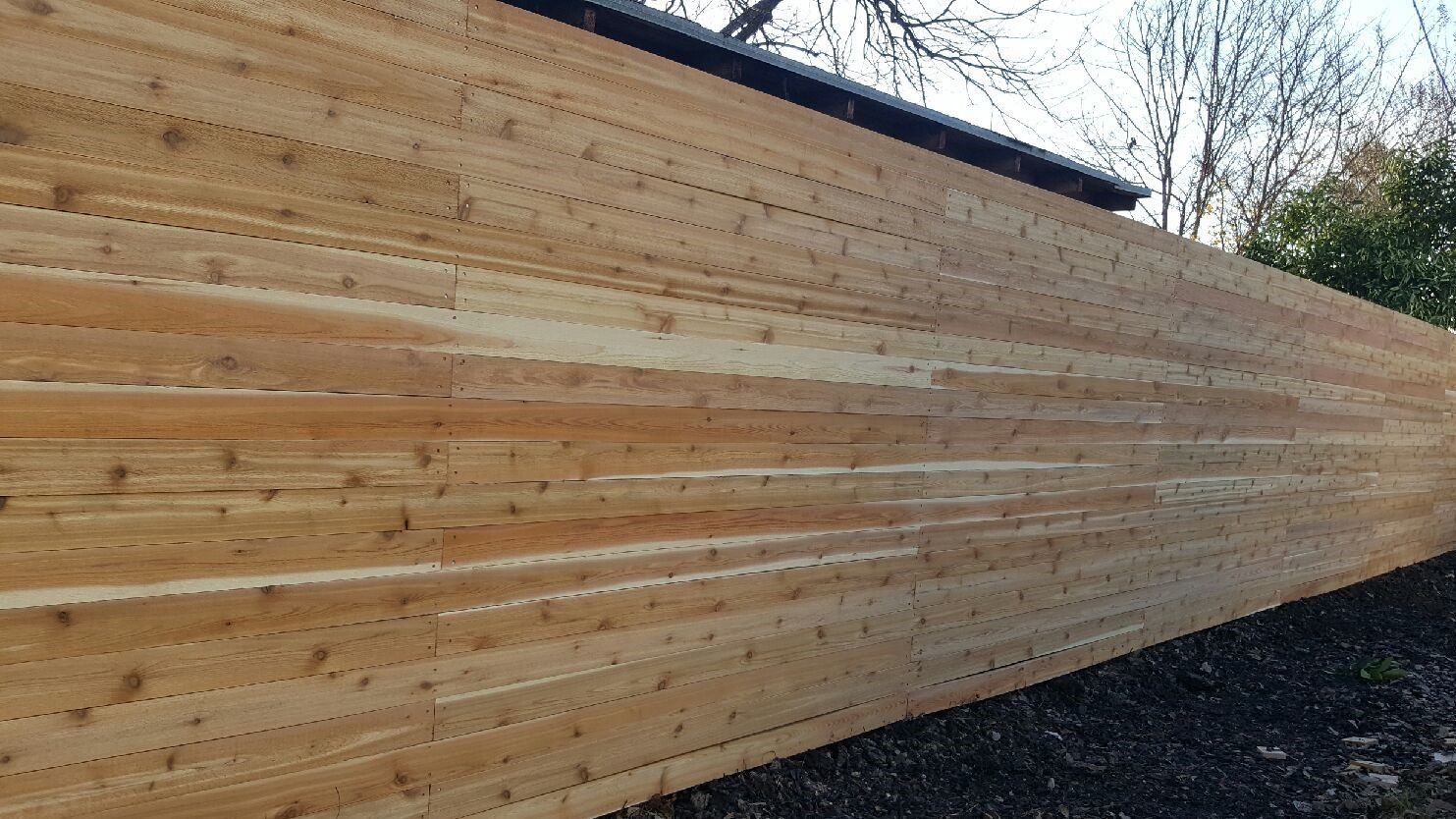
Constant outdoor noise can quickly make a home feel less relaxing. Traffic, nearby businesses, loud HVAC units, barking dogs, and even enthusiastic musicians can disrupt the quiet you expect in your yard. If outside noise is becoming a problem, installing a sound barrier fence can help reduce the amount of sound that reaches your property.
While no fence can eliminate noise completely, the right design and materials can reduce outside sound by 8 to 10 decibels or more, which can make a noticeable difference in everyday comfort.
Before installing a noise reduction fence, it helps to understand how sound travels and what construction features make the biggest impact.
Does a Sound Barrier Fence Actually Work?
Yes. A properly installed sound barrier fence can reduce outside noise levels by 8 to 10 decibels. To put that in context, normal ambient noise registers between 60 and 70 decibels. Prolonged exposure to noise above 70 decibels can cause hearing damage over time. Cutting that down by even 8 to 10 decibels makes a noticeable difference in day-to-day comfort.
What Material Works Best for a Sound Barrier Fence?
| Material | Effectiveness | Best Use |
| Concrete / Masonry | Highest | Highway corridors, commercial |
| Wood (tongue and groove) | High | Residential properties |
| Mass-loaded vinyl (MLV) | Moderate | Added to existing fences |
| Sound blankets | Moderate | Temporary or layered solutions |
Dense masonry materials like brick, stone, and concrete offer the best sound-blocking performance. They are common along highways for a reason. For residential applications, solid wood is the most practical and affordable option that still delivers strong results.
Factors That Affect Sound Barrier Fence Performance
1. No Gaps in the Fence
Sound travels through any opening it can find. There should be zero spaces between fence boards. Tongue and groove construction is the best approach here because it creates a snug, interlocking fit that eliminates the gaps standard board fences leave behind. There should also be no gap at the base of the fence where it meets the ground.
2. Fence Height
Sound waves travel in straight lines. If you can see the noise source over your fence, the sound can reach you just as easily. A taller fence blocks more of that direct sound path. Before you build tall, check your local ordinances. Many municipalities cap residential fence heights at 6 to 8 feet.
A good rule of thumb: if you can see the source of the noise, you can hear it.
3. Fence Density
Thicker and heavier materials absorb more sound energy. Thin, lightweight panels will not stop much. If you are upgrading an existing fence rather than replacing it, you can add mass-loaded vinyl between two fence layers to significantly improve its noise-blocking performance.
Upgrading an Existing Fence for Better Noise Reduction
If you already have a privacy fence installed, you may still be able to improve its sound-blocking ability.
Some upgrades include adding soundproofing materials such as:
Mass Loaded Vinyl (MLV)
Mass-loaded vinyl is a dense, flexible material often used in construction to reduce sound transmission.
It can be installed between layers of fencing to increase the barrier’s density.
Acoustic Blankets
Acoustic blankets are thick sound-absorbing panels that can be mounted onto existing fences.
They are commonly used around:
- Construction sites
- Industrial equipment
- Outdoor HVAC systems
Double Fence Layers
Another approach is installing a second layer of fencing with soundproofing material between the two structures.
This increases mass and improves sound blocking.
Landscaping Can Help Reduce Noise
While fences do most of the work, landscaping can also contribute to noise reduction.
Trees, shrubs, and dense vegetation help diffuse and absorb sound waves before they reach your property.
Planting a natural buffer along your fence line can provide benefits such as:
- Additional sound dampening
- Improved privacy
- Better curb appeal
Although landscaping alone will not stop loud noise, it can enhance the effectiveness of a sound barrier fence.
Adding White Noise for Extra Sound Masking
Another useful strategy is sound masking.
Instead of blocking noise entirely, you introduce softer ambient sounds that help cover up unwanted noise.
Common options include:
- Outdoor fountains
- Water features
- Wind chimes
- White noise speakers
These sounds help your brain ignore disruptive noise from traffic or neighbors.
Is a Sound Barrier Fence Worth It?
For homeowners dealing with constant outdoor noise, installing a sound barrier fence can make a noticeable difference in daily comfort.
Benefits include:
- Reduced traffic noise
- More peaceful outdoor living spaces
- Increased privacy
- Improved property value
- Better sleep and relaxation
When properly designed and installed, a noise reduction fence can transform a loud yard into a much more enjoyable environment.
Get Expert Help With Sound Barrier Fencing
Designing an effective sound barrier fence requires careful planning, proper materials, and experienced installation.
At Alamo Decks & Fence, we design and install high-quality fencing solutions for both residential and commercial properties.
Our team can help you choose the right materials, height, and construction method to maximize noise reduction and improve the comfort of your property.
If you are considering installing a sound barrier fence, contact Alamo Decks & Fence today for a free consultation and quote.
BUILD YOUR FENCE TODAY!
If you’re looking to beautify and enhance the security of your property, turn to Alamo Decks & Fence in Bexar County. We truly value our customers, which is why you can trust us to build your fence using the highest quality materials at the best prices possible.