
What to Consider When Choosing a Commercial Fence for Your Business
Choosing a commercial fence comes down to six things: security, materials, cost, privacy, maintenance, and local code. The right fence protects your inventory, vehicles, customers, and staff while keeping a clean, professional look. Use the guide below to weigh each factor, then check the San Antonio permit rules most business owners miss.
Familiarize Yourself With the Many Types
First, get familiar with the main types of commercial fence and the trade-offs of each. Match the material to your top priority, whether that is security, privacy, looks, or budget.
- Chain link is affordable, fast to install, and tough. Chain link fences suit warehouses, lots, and construction sites, though they offer little privacy on their own.
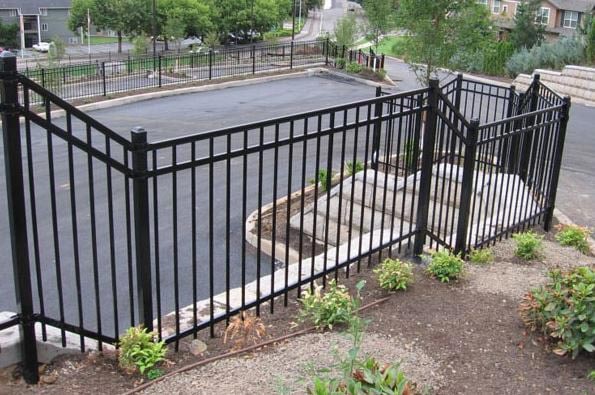
- Ornamental iron and steel give you a high-end look with strong security. Ornamental iron resists climbing and lasts for decades, which makes it popular with offices, schools, and retail.
- Aluminum mimics the look of iron but will not rust. It works well for landscaped frontages and lighter security needs.
- Wood looks traditional and adds privacy. Wood fences can rot or warp in the Texas sun, so they need more upkeep than metal.
- Vinyl is low maintenance and private, but it is less secure than chain link or iron.
Once you know the options, you can match the right fence to your property. For a closer look at what holds up locally, see our guide to the best fence materials for Texas weather.
Security
Start with your security needs, since they shape every other choice. For short-term sites, a temporary fence may be enough. For long-term protection, pick durable materials like chain link or ornamental iron.
A few features raise security:
- Height matters, since taller fences are harder to climb. Many commercial fences run six to eight feet.
- An anti-climb design uses tight mesh, vertical bars, and no horizontal footholds to slow intruders.
- Visibility is a trade-off. Open fences let staff and cameras watch the perimeter, while solid panels hide both your interior and any trespasser.
- Your location sets the bar. Higher-crime areas call for taller, sturdier fencing.
Vinyl panels add privacy and keep your operation hidden from passersby, so weigh privacy against the visibility your security plan needs.
Gates and Access Control
Your fence is only as secure as its gates. Most commercial sites need both pedestrian and vehicle access, and how you control that access matters.
- Vehicle gates handle trucks and deliveries. A custom metal vehicular gate can swing or slide based on your space.
- Automatic operators add keypads, card readers, or remotes, so only approved people get in.
- Fire access is regulated. San Antonio requires a minimum 20-foot clear opening on single-lane drives for fire trucks, and gated drives often need a Knox box.
Plan gate placement and width early, since adding access later costs more.
Aesthetics
You cannot focus only on security. Your fence is part of a customer’s first impression. Aim to improve the look of your property from the street while keeping the materials strong and secure. An attractive fence signals a well-run company that takes pride in its space, which builds trust before a client reaches your door. Pick a style and color that match your building and brand.
What Affects the Cost of a Commercial Fence
Commercial fence pricing depends on the project, not a flat sticker price. The biggest cost drivers are:
- Material. Chain link sits at the low end, while ornamental iron and custom steel sit higher.
- Height and length. More material and taller posts cost more.
- Gates and automation. Powered gates and access systems add to the total.
- Site conditions. Rocky soil, slopes, and tight access make installation harder.
- Old fence removal. Tear-out and disposal of an existing fence adds labor.
Cheap materials can cost more over time through repairs and early replacement. We give a clear, flat quote before any work starts, so you know the full price up front.
Long-Term Investment and Maintenance
Whatever you choose, your fence should last for years and give you a solid return. Pick a fencing company that uses quality materials built to last while protecting the look and security of your property. A quality fence saves money over time because you avoid repeat repairs and damage.
Maintenance varies by material. Chain link, aluminum, and vinyl need little upkeep. Wood needs sealing or staining every few years to fight rot and Texas heat. Factor that upkeep into your budget before you decide.
Permits and Local Codes in San Antonio
San Antonio regulates commercial fences, so plan for permits before you build. These rules come from the City’s Development Services Department and the Unified Development Code (UDC Section 35-514). A few key points:
- A building permit is required to build, repair, or expand a commercial fence inside city limits, filed through the city’s Commercial Project Application.
- Height is limited by zone, placement, and material. Many commercial fences can reach eight feet, and solid fences taller than eight feet need an engineer’s wind-load certification.
- Front-yard fences over four feet in commercial (C-3) and industrial zones need a special exception from the Board of Adjustment.
- Clear-vision rules cap fence height near street corners and driveways for traffic safety.
- Barbed or razor wire needs a separate variance.
Codes change and can vary across Bexar, Comal, and Medina counties, so confirm current rules with the city before you order materials. As your local installer, we handle commercial fencing across San Antonio and pull the right permits as part of the job.
Frequently Asked Questions
What is the most secure commercial fence?
Ornamental iron and welded steel offer the best security. They resist climbing and cutting, last for decades, and pair well with automated gates. Chain link with privacy slats and a top rail is a budget-friendly alternative for lots and yards.
How tall can a commercial fence be in San Antonio?
Many commercial fences reach eight feet, depending on zone and placement. Taller solid fences need an engineer’s wind-load certification, and front-yard fences over four feet in commercial zones need a special exception. Confirm your site’s limit with Development Services.
What is the cheapest commercial fencing option?
Chain link is the most affordable commercial fence to buy and install, and it needs little maintenance. Add privacy slats or mesh if you want to block the view without paying for wood or iron.
Do I need a permit for a commercial fence?
Yes. San Antonio requires a building permit for commercial fence work inside city limits. We pull permits as part of your project, so you do not have to manage the paperwork.
How long does commercial fence installation take?
Most projects take a few days to a couple of weeks. Length, material, gates, and site conditions drive the timeline. We give you a schedule with your quote.
Contact Alamo Decks and Fence
At Alamo Decks and Fence, we install high-quality commercial fencing with trained crews, built to last in the South Texas climate. Not sure which fence fits your business and budget? We can help you decide. Call us at 210-880-9899 or request a free quote to get started. You can also contact us with questions about your project.

BUILD YOUR FENCE TODAY!
If you’re looking to beautify and enhance the security of your property, turn to Alamo Decks & Fence in Bexar County. We truly value our customers, which is why you can trust us to build your fence using the highest quality materials at the best prices possible.