
What Comes First, the Pool or the Fence? Settle It Before You Break Ground
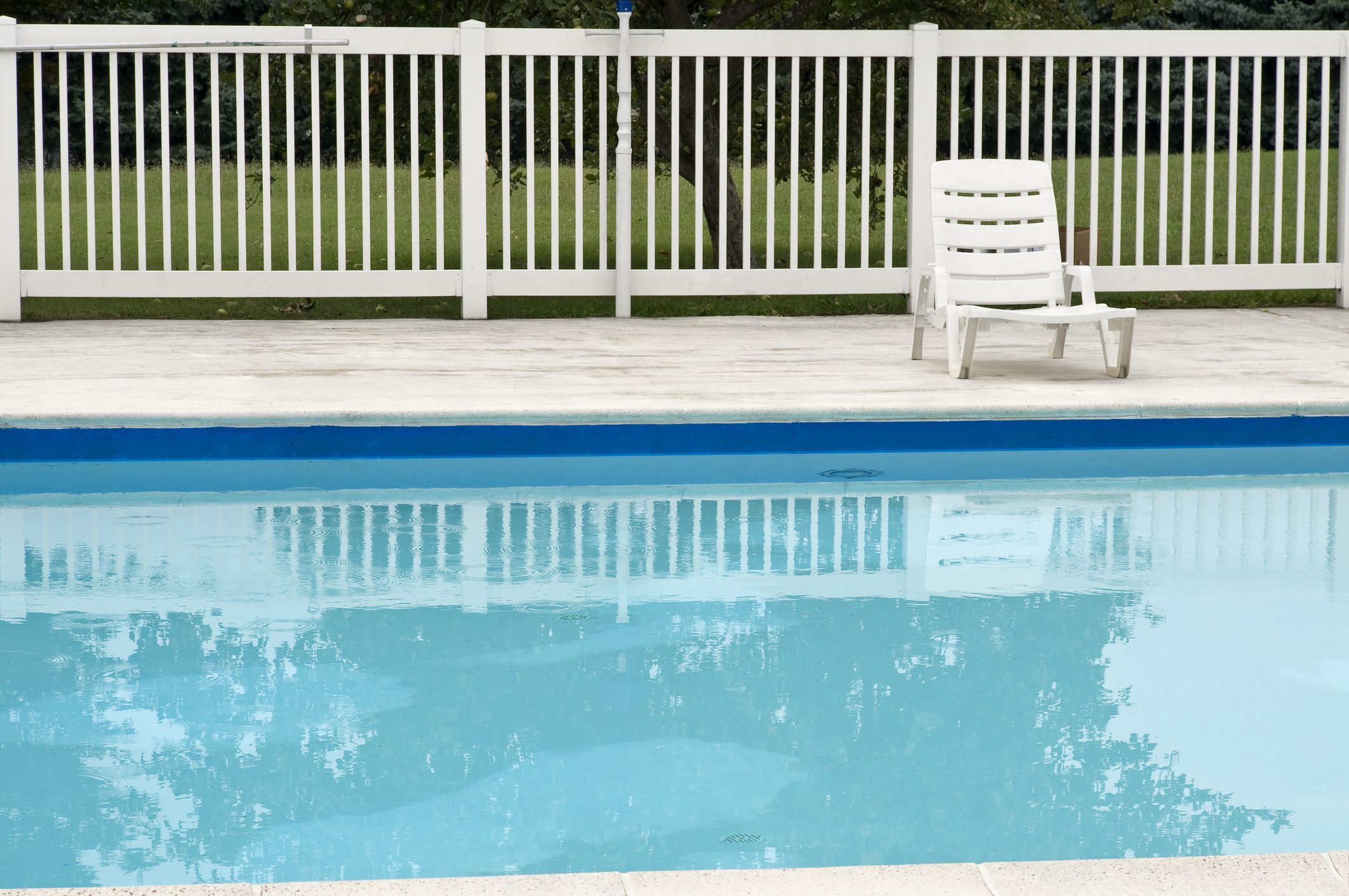
Build the fence first. If you can only afford one this year, the fence is the one that works on its own. A yard with a fence and no pool is fine. A pool with no barrier is a code violation and a drowning risk.
Swimming pool weather is the best weather. On scorching days, and that is most of the summer here in San Antonio, the heat gets brutal. Nothing beats a dip in a cool pool. A pool also brings a safety obligation you cannot skip.
That obligation usually means a fence of some kind. Your city requires it. If you already have a fence and no pool yet, you may need to modify it before a pool permit clears inspection.
If your existing fence already meets barrier code, you probably do not have to replace it. You may only need gate hardware, a height change, or work on the openings. Below is what San Antonio actually requires, and where most existing fences fail.
Which Pool Fence Code Applies to Your San Antonio Backyard
This is where most articles get it wrong, so read this part carefully.
People often cite Texas Health and Safety Code Chapter 757 as the state pool fence law. Read Section 757.002. It applies only to pools owned or maintained by a multiunit rental complex or a property owners association. It does not govern a pool behind a single-family house.
For a private pool at a one or two family home in San Antonio, the rules come from the city. The City of San Antonio has adopted the 2024 International Swimming Pool and Spa Code (ISPSC) with local amendments. Section 305 of that code sets the barrier requirements. The Development Services Department summarizes them in Information Bulletin 170.
So the 48-inch height everyone quotes is correct. The source most people cite for it is not.
Codes also vary by city and state. If your property sits outside city limits or inside another municipality, confirm the rules with that jurisdiction before you order fence.
San Antonio Pool Barrier Requirements at a Glance
Here are the specifics from ISPSC Section 305 as San Antonio has adopted it.
Barrier Height and Ground Clearance
- The top of the barrier must sit at least 48 inches above grade, measured on the side facing away from the pool.
- That height has to hold around the entire perimeter. A low spot in the yard can fail the whole run.
- Gap under the barrier over grass or gravel: 2 inches maximum.
- Gap under the barrier over a solid surface like concrete: 4 inches maximum.
That first clearance rule catches a lot of existing fences. A wood privacy fence built with a two or three inch gap for airflow will not pass over turf.
Openings, Gaps and Climbability
- No opening in the barrier may allow a 4-inch sphere to pass through.
- Solid barriers such as masonry walls cannot have indentations or protrusions beyond normal construction tolerance. No footholds.
- On a fence built from horizontal and vertical members, the horizontal rails matter. When the tops of the horizontals sit 45 inches or more apart, vertical spacing can go up to 4 inches. When they sit closer than that, the horizontals need to face the pool side and the vertical spacing tightens to 1¾ inches.
That last rule is the single most common failure we see. A standard wood fence has rails on the outside face. Turned the wrong way, those rails are a ladder.
Gates and Latch Height
- Pedestrian gates must open outward, away from the pool.
- Gates must be self-closing and self-latching.
- The latch release must sit at least 54 inches above the bottom of the gate. The alternative is a release on the pool side, at least 3 inches below the top of the gate. No opening larger than ½ inch is allowed within 18 inches of it.
- A lock can supplement the self-latching device. It cannot replace it.
Retrofitting gate hardware is usually cheap. It is also the item inspectors flag most. Talk to us about a proper self-closing gate or a custom gate if your yard needs vehicle access too.
When Your House Wall Is Part of the Barrier
Plenty of San Antonio backyards use the house as one side of the enclosure. That triggers extra requirements.
- Doors with direct pool access need an alarm that sounds when the door or its screen opens. The alarm must be listed to UL 2017, with the deactivation switch mounted 48 to 54 inches above the floor.
- Self-closing, self-latching doors can substitute if the city approves them.
- First floor operable windows with a sill under 48 inches also need a listed water hazard entrance alarm.
Above Ground Pools
An above ground pool wall 48 inches or taller can serve as the barrier. The wall alone is not the whole answer.
- The ladder or steps must be removable, lockable, or capable of being secured.
- Or the ladder must be surrounded by its own compliant barrier.
- When the ladder is removed or secured, the opening left behind cannot pass a 4-inch sphere.
The Safety Cover Exception
San Antonio allows one exception worth knowing. A barrier is not required where a spa or hot tub has a lockable safety cover meeting ASTM F1346. Pools qualify with a powered safety cover meeting the same standard.
That is a narrow exception. It also does nothing for the rest of your yard, your dog, or your privacy. Most homeowners still want the fence.
Does a Chain Link Fence Work as a Pool Barrier?
Not as it comes out of the box. This one surprises people.
The code caps the maximum opening in a chain link barrier at 1¾ inches square. Standard residential chain link uses 2-inch mesh. That fails.
You have two ways to fix it:
- Install chain link fabric with a smaller mesh size.
- Add slats fastened at the top or bottom that reduce the openings to 1¾ inches or less.
Option two is the common route because it solves privacy at the same time. We cover the products in our guide to adding privacy with a chain link fence. If you are pricing a new run, start on our chain link fence page.
One more note. Diagonal members, such as a lattice panel, carry the same 1¾ inch limit on the openings they form.
Which Fence Types Work Around a San Antonio Pool
Every material can be made compliant. Some take more work than others.
- Ornamental iron. The cleanest fit. Vertical pickets, no horizontal footholds when the rails are spaced right, and it does not block the view of the water. See ornamental iron fencing.
- Wood privacy fence. Works well and gives you full privacy. The rails have to face the pool side, and the bottom gap has to close up. Details on our wood fence page.
- Chain link with slats. Affordable and compliant once the openings drop to 1¾ inches.
- Split rail. Not a pool barrier. The openings are far too large. A split rail fence is a property line fence, not a safety barrier.
Sight lines are worth thinking about before you pick. A solid privacy fence hides the pool from the street. It also hides the pool from you. Read our notes on pool fence safety before you close off the view.
Pool Fence Permits and Inspections in San Antonio
The barrier is part of the pool permit, not a separate afterthought.
- Residential pool and spa permits go through the BuildSA Customer Portal under Residential Improvements.
- Your site plan has to show the location of the required barrier, drawn to scale.
- A 5-foot setback applies from the pool waterline to the property line.
- You submit a Swimming Pool and Spa Barriers and Safety Devices Compliance Agreement with the application.
- Online applications are typically reviewed and issued within three business days. Over the counter submittals can be issued same day.
- The Building Final inspection verifies the barrier, audible alarms, self-latching devices and pool cover.
Your pool builder normally pulls the permit. Ask to see it, and ask whether the barrier on the site plan matches the fence you actually want. Changing it after approval costs time.
Temporary Fencing While the Pool Goes In
If the pool goes in before the permanent fence, you cannot leave the excavation open. You will need temporary fencing to close the site until the real barrier is up.
Schedule the permanent fence ahead of time so there is no gap between the pool passing water test and the barrier going up. Temporary fence is a rental cost with nothing to show at the end. Our guide to temporary fencing explains when it makes sense.
Leaving a pool unfenced is a serious safety violation. It is also a liability exposure with your insurer.
Where the Pool Deck Fits In
Sequence matters here too. Build the deck and the barrier in the right order and you save money.
Decking changes your grade. That changes the effective height of a fence measured from the outside, and it changes the clearance under the bottom rail. A fence set before a raised deck goes in can end up short.
Equipment placement matters as well. Pumps, filters, control boxes and storage bins near the fence line create climbing routes. Inspectors look for this. Keep the pad away from the barrier.
If a deck or patio cover is part of the plan, get both trades on the same drawing early. We build decks in San Antonio and can coordinate the barrier around them.
Pool Fence Questions San Antonio Homeowners Ask
Do I have to build the fence before the pool?
Not legally, but it is the safer sequence and the cheaper one. If you build the pool first, budget for temporary fencing until the permanent barrier passes inspection.
How tall does a pool fence have to be in San Antonio?
At least 48 inches, measured from the ground on the side away from the pool, around the entire perimeter.
Does Texas have a state law for backyard pool fences?
Not for single-family homes. Chapter 757 of the Health and Safety Code covers pools at multiunit rental complexes and property owners associations. Your backyard is governed by city code.
Can my existing fence work as the pool barrier?
Often yes, with changes. Check the height, the gap at the bottom, the opening sizes, which side the rails face, and the gate hardware. We inspect all five during a site visit.
Does an above ground pool need a fence?
The pool wall can serve as the barrier if it reaches 48 inches. You still have to secure, lock or remove the ladder.
Do I need a permit for the fence itself?
The barrier is reviewed as part of the pool or spa permit and verified at Building Final. Confirm scope with Development Services for your specific project.
What if I live outside San Antonio city limits?
Requirements change by jurisdiction. Check with your county or municipality. We work across Bexar County and the surrounding areas we serve.
Get a Pool Fence Quote in San Antonio
Chain link, ornamental iron or wood privacy fence, we build to the barrier code the city inspects against. We will walk your yard and check your existing fence against the five failure points above. Then we tell you straight whether it passes.
Alamo Decks & Fence serves San Antonio, Stone Oak, and the surrounding areas. Request your free quote or call (210) 794-0875.
BUILD YOUR FENCE TODAY!
If you’re looking to beautify and enhance the security of your property, turn to Alamo Decks & Fence in Bexar County. We truly value our customers, which is why you can trust us to build your fence using the highest quality materials at the best prices possible.