
Ways to Add Privacy With a Chain Link Fence Before Summer Hits
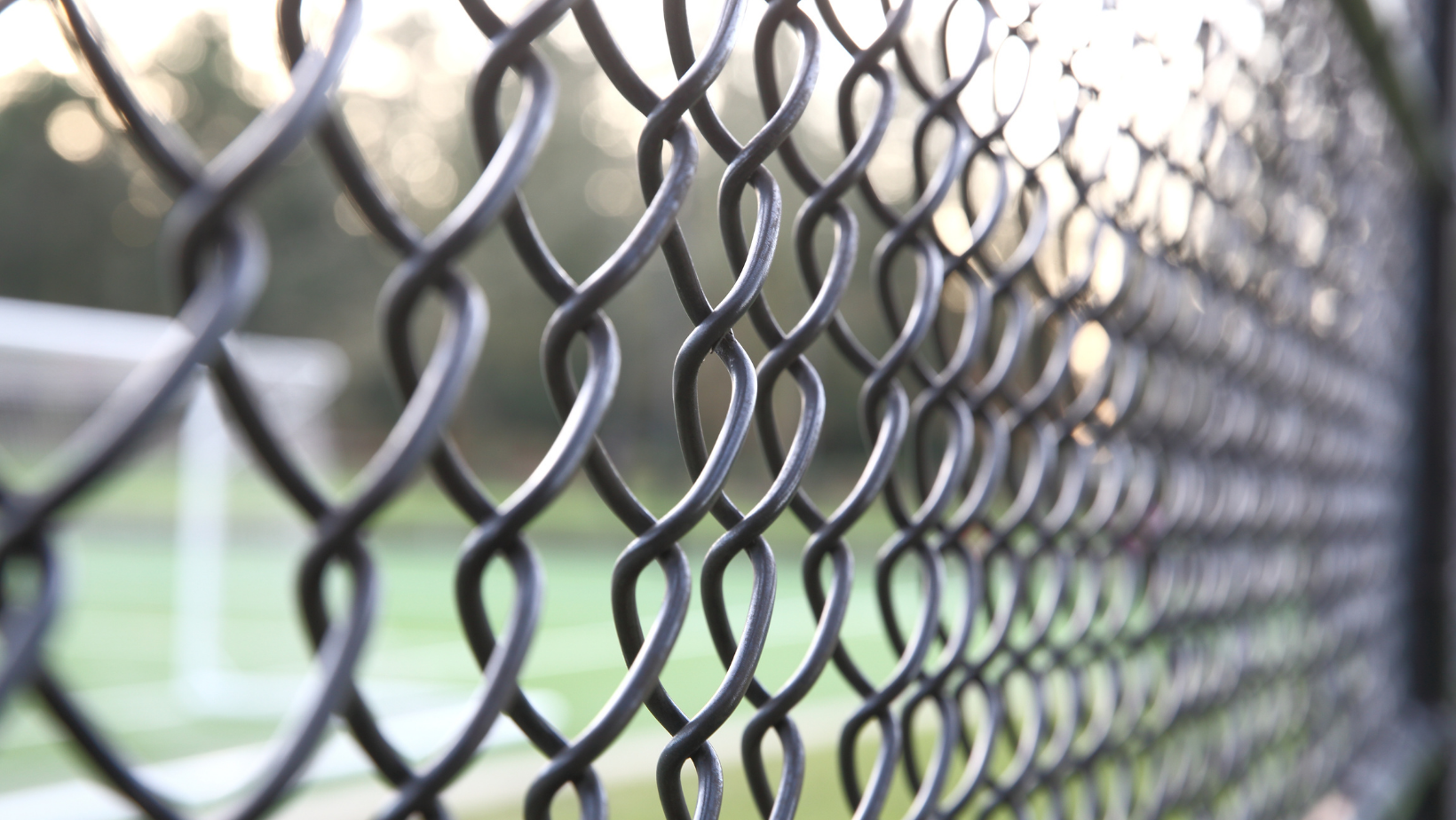
Many people choose chain link fences to enclose their outdoor spaces. They are durable and affordable, yet they do have a lack of privacy. Some owners want that open sight line to the street for security. Others want to keep the strength of the fence and block the view.
You do not have to tear out the fence to do it. You can add privacy to a chain link fence with slats, tape, screens, panels or greenery. Coverage runs from about 75 percent to nearly 100 percent, depending on what you pick. Here are the options that work in San Antonio, and the one step most homeowners skip.
Chain Link Fence Privacy Options Compared by Coverage and Cost
Use this table to narrow your choice before you read the details.
| Option | Privacy blocked | Material cost per linear foot | Typical lifespan |
| Mesh privacy screen | 80 to 96% | $1 to $3 | 3 to 7 years |
| Privacy slats | 75 to 90% | $4 to $7 | 15 to 25 years |
| Privacy tape or weave | 75 to 90% | $6 to $8 | 10 to 15 years |
| Reed screens | About 85% | $5 to $7 | 1 to 3 years |
| Artificial hedge panels | 90% or more | $8 to $12 | 5 to 10 years |
| Rolled bamboo panels | 90% or more | $10 to $13 | 3 to 6 years |
| Wood or vinyl panels | Close to 100% | $20 to $30 | 15 to 25 years |
Costs are material only, based on published contractor estimates for a six foot fence. They exclude labor, hardware and post upgrades. Call us for a firm number on your yard.
Chain Link Fence Privacy Slats and How Much They Really Block
Privacy slats are narrow strips that slide vertically or diagonally into the fence mesh. They are the most common upgrade because they are cheap, fast and permanent. Most slats are high-density polyethylene, PVC or aluminum. Quality slats carry UV inhibitors, which matters a lot under Texas sun.
Slats are durable and last for years. You can also swap out a damaged slat without replacing the whole run.
Slat design controls how much you block. Not every product does the same job.
Bottom-Lock and Top-Lock Slats
Bottom-lock slats drop into the mesh and snap into a locking channel at the base of the fence. That channel makes them hard to pull out, so they resist vandalism. Bottom-lock designs typically deliver up to 75 percent privacy while still letting air through.
Top-lock slats use a channel at the top instead. They install faster and keep an even line across the fence. Coverage is similar. Choose top-lock for a backyard and bottom-lock for a business or rental.
Winged Slats for Maximum Coverage
Winged slats add small flanges along each edge. Those wings close the gaps between slats. A winged product can reach roughly 90 percent privacy on standard two inch mesh. You pay more per foot, and you catch more wind. Read the wind load section below before you order them.
Privacy Tape and Fence Weave
Privacy tape looks like a slat but comes on a roll. You weave it diagonally through the mesh, then fold and pin the ends around the fence wire. The diagonal pattern gives a woven look that many homeowners prefer over straight vertical lines.
Installation takes longer than slats because you thread the whole roll by hand. Durability is strong. Some owners report a decade or more before replacement.
Matching Slat Height to Your Fence
Buy slats that match your fence height, not close to it. Four foot slats on a six foot fence leave a two foot gap and defeat the point. Measure the fabric height from the bottom tension wire to the top rail before you order.
Also measure your mesh size. Most residential fence uses two inch mesh. Commercial and industrial runs often use larger or smaller diamonds, and slats are cut to fit a specific mesh. We stock the right sizes through our fence supply service.
Full Bamboo Screens
Rolled bamboo fencing ranges from three quarters of an inch to two inches thick. You install bamboo pole screens by securing them to the posts and rails with heavy duty wire or cable ties.
Bamboo is attractive and natural looking. It lends your yard a tropical feel. Bamboo is durable, but it will develop vertical cracks and turn brown or silver without treatment. Like any organic material left outside, bamboo deteriorates slowly. Maintain and seal these screens on a regular schedule.
Look for bamboo cut at the node. A solid top keeps water out of the poles and slows weathering.
Reed Screens
Thin bamboo reeds, no thicker than a drinking straw, get woven into long mats. Mats usually run eight to 16 feet long. Installed vertically, reed screens give you roughly 85 percent privacy.
Reed is the cheapest natural option and the shortest lived. After a year or two, the reeds fade from golden brown to gray and start falling out of the wire weaving. Plan on replacing them. Treat reed as a seasonal fix, not a permanent one.
Mesh Wind Screens and Privacy Screens
A mesh wind screen looks a bit like a tarp at a glance. A tarp is a bad idea on a fence because it catches wind and acts like a sail. A mesh privacy screen has tiny holes that let wind pass through.
These screens are water and wind permeable, with double-thick trim along the edges. Privacy runs between 80 and 96 percent depending on quality. The material is UV-rated polypropylene or knitted polyethylene with a woven construction. Dark colors will fade over time under sun exposure.
Mesh is the cheapest way to get high coverage fast. It is also the first option to fail. Budget on replacing it every few years.
Artificial Hedge Panels and Climbing Plants
Artificial hedge panels clip to the fence and mimic ivy or boxwood. They deliver 90 percent or more coverage and need no watering. Buy UV-rated panels. Sun exposure is the single biggest cause of fading in outdoor greenery, and San Antonio delivers plenty of it.
Live climbing plants are the slower route. Vines need decent soil at the base of the fence, regular water, and training through the links while they are young. Once established, they soften the look and cut noise.
One warning. Vines make future fence work painful. Removing mature growth from chain link is a demolition job. If you plan to replace the fence within a few years, use panels instead. For more ways to dress up a plain run, see our fence decorating ideas.
Wood and Vinyl Panels That Turn Chain Link Into a Privacy Fence
You can attach pre-built panels straight to the existing frame. This is how you get close to 100 percent privacy without pulling posts. Panels bolt to the line posts and rails with U-brackets.
Wood panels give you the look of a wood fence at a lower cost than a full rebuild. Keep the bottom of the panel off the ground so water does not wick up and rot the boards. Seal and stain them and they will last for years.
Vinyl panels cost about the same and skip the staining. They stay bright with an occasional wash.
This is the heaviest option by far, in both cost and wind load. It also changes the structural job your posts are doing. Talk to us about custom fence installation before you commit to panels on an older frame.
Wind Load: The Step Most San Antonio Homeowners Skip
Here is what the product listings will not tell you. The moment you add privacy material, your fence stops being a fence and starts being a wall.
Engineering standards treat any surface with more than 70 percent closure as solid. That means privacy slats and windscreens both cross the line. Wind no longer flows through the mesh. It pushes against the whole panel.
Wind pressure scales with the square of wind speed. Doubling the gust roughly quadruples the force. A run of fence that stood for 15 years can go down in one spring squall line after you add slats.
The Chain Link Fence Manufacturers Institute publishes a Wind Load Guide for line posts, known as WLG 2445. The current edition is built on ASCE 7-22. Its tables cover wind speeds from 105 mph up to 210 mph. Industry specifications warn that fences with windscreens or privacy slats need a wind load analysis. That analysis drives post size and post spacing. The guide sits on the CLFMI technical resources page.
Why this matters here:
- Bexar County sits in the 105 to 115 mph range for standard residential structures under current code.
- Central Texas gets sharp straight-line winds from spring squall lines, derechos and microbursts.
- Open Hill Country sites read a rougher exposure category than built-up areas inside Loop 410. Same wind speed, higher load. That covers much of our work in Boerne and Fair Oaks Ranch.
- Ridges and bluffs along the Balcones Escarpment speed the flow up further.
What that means in practice. Adding slats to a six foot fence changes the load on your posts. Light-wall posts set at 10 feet on center are fine for open mesh. They are often not fine once you close the fence up. Heavier schedule 40 posts and tighter spacing, usually eight to nine feet, hold the line.
If your fence is already in the ground, we will inspect the posts and footings before we quote privacy work. Adding slats to an undersized frame is a warranty claim waiting to happen.
Sealing the Gap Under Your Chain Link Fence
Privacy slats stop at the bottom tension wire. On uneven ground you are left with a visible gap, and dogs will find it.
Three fixes work:
- Bottom rail. A horizontal rail along the base closes the gap and stiffens the fence.
- Grass guard or gap filler. A molded strip that follows the ground contour and blocks the space.
- Landscape edging with weed fabric. Cheapest option. It also stops grass growing into the mesh, which makes trimming easier.
Doing this at the same time as the slats saves a second trip and a second labor charge.
Privacy Screens for Commercial, School and Sports Fencing
Privacy screening is not just a backyard product. Windscreen on a chain link perimeter serves a different job on a commercial site.
- Construction sites. Screen blocks the view of materials and equipment, which cuts theft interest.
- Ball fields and tennis courts. Screen behind the backstop kills visual distraction for players and softens crosswinds.
- Storage yards and industrial lots. Screen hides inventory and satisfies municipal screening requirements.
- Schools and daycares. Screen limits sight lines from the street.
Commercial runs are longer, taller and windier than residential fence. Post engineering matters more, not less. See our commercial fencing page for perimeter and gate options. Still weighing materials? Read the benefits of chain link fencing.
Chain Link Fence Privacy Questions We Hear Most
What is the cheapest way to add privacy to a chain link fence?
Mesh privacy screen. Material runs a few dollars per linear foot and it blocks 80 percent or more. It also wears out fastest, so factor in replacement every few years.
What can I put on a chain link fence for privacy?
Slats, privacy tape, mesh screen, reed or bamboo rolls, artificial hedge panels, live vines, or wood and vinyl panels. All of them attach to the existing frame.
What is the best privacy option for a chain link fence?
Slats for the best balance of cost, life and coverage. Wood or vinyl panels if you want to block the view completely. Mesh if budget drives the decision.
How do you make a chain link fence taller for privacy?
Post extensions bolt to the existing line posts, then you run additional fabric or screen between them. Check your deed restrictions and city height limits first. Bexar County HOAs often cap fence height, and a taller fence multiplies wind load.
How long do privacy slats last?
Manufacturer warranties on UV-stabilized PVC and polyethylene slats commonly run 15 to 25 years. Actual life depends on sun exposure and slat quality.
Do privacy slats damage a chain link fence?
The slats do not. The wind load does. See the wind load section above.
Will privacy slats block my view out as well as in?
Yes. If you use the fence to watch a pool or a play area, that visibility is a safety feature. Read our guidance on pool fence safety before you close off sight lines.
Get Chain Link Privacy Installed in San Antonio
Now you know how to add privacy to a chain link fence, and what the product pages leave out. We install slats, screens and panels, and we check the frame first so the fence is still standing after the next storm.
Alamo Decks & Fence builds residential fencing and commercial fence across San Antonio and Bexar County. Request your free quote or call (210) 794-0875.
BUILD YOUR FENCE TODAY!
If you’re looking to beautify and enhance the security of your property, turn to Alamo Decks & Fence in Bexar County. We truly value our customers, which is why you can trust us to build your fence using the highest quality materials at the best prices possible.