
Get Your Fence Winter Ready in San Antonio Before the First Freeze
While we don’t usually get freezing temps, ice and snow here in San Antonio, it’s still a good idea to get your wooden fence ready for the cooler temps of winter. Fall is a good time to do that, as changing weather conditions can do a number on your wood fence if you fail to take the proper precautions.
San Antonio averages about 14 nights a year at or below freezing. Most of those are short. The problem is the rare storm. In February 2021, San Antonio International Airport sat below freezing for four days and 12 hours straight, according to the National Weather Service. That single week destroyed fences across Bexar County.
The short version: inspect the fence, clear debris from the base, and seal the wood on a dry day above 50 degrees. Then check your posts and gate hardware. Do it in October or November.
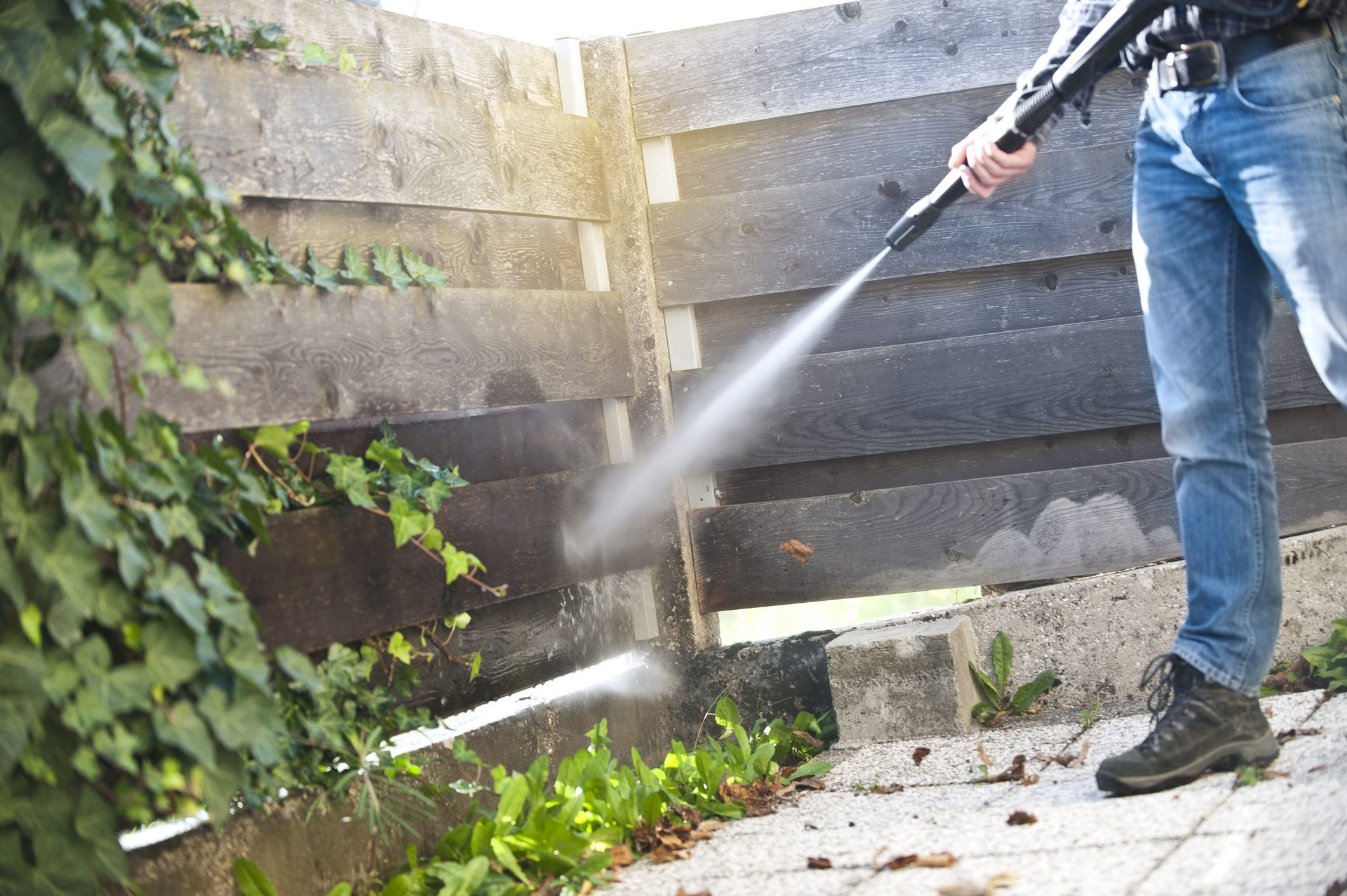
5 Steps to Winterize Your Wood Fence
Here are some tips on how to prepare your wood fence for the cooler months.
- Bolster weak spots: Walk along your fence and take note of any weak spots, such as damaged or missing pickets, protruding nails, and decaying posts. Repairing these areas now will ensure your fence can face inclement weather without falling further into disrepair. In fact, periodically inspecting your fence for signs of damage is a great idea all year long.
- Waterproof the fence: If your fence is not already waterproofed, or it’s been quite a few years since you’ve done it, this is a good time to get that done. This will prevent rain and moisture from soaking into your wood fence. Most penetrating fence stains carry a two to three year warranty. Check your label and reapply when the color starts to gray.
- Remove leaves and debris: Rake leaves away from the fence and clear any other debris that may be leaning up against it such as twigs, overgrown grass and more. Leaving this debris against the bottom of your fence can lead to wood rot and insect infestation. This can compromise the structural integrity of your wood fence over time, especially if termites make their home there.
- Remove mold: Excess moisture allows mold to grow on the surface of your fence. Once that starts, the mold can then invade deep into the wood itself, leading to rot. Apply a mixture of white vinegar and water to clean any mold you may see off the fence. This acidic mixture can destroy mold on contact. It will also work on moss and algae. For heavy mold, use a dedicated wood cleaner instead.
- Remove low-hanging branches: Snip low-hanging branches that may be overhanging the fence. Strong winds and rain can make them come loose and fall onto the fence, damaging or destroying it.
Can You Stain a Fence in Winter in San Antonio?
Yes, on the right day. This is one advantage we have over northern states.
Most oil-based fence stains need an air temperature above 50 degrees to soak in and cure properly. Wood Defender, a Texas-based stain used by many local fence companies, sets that same 50-degree floor. San Antonio hits that mark on plenty of winter afternoons. Our January normal high sits in the low 60s.
Three conditions have to line up before you open the can:
- Temperature above 50 degrees during application and for several hours after.
- Dry wood. Manufacturers want moisture content under 13 percent. In fall and winter, wood can take 48 hours or longer to dry after rain, not the 24 hours you’d expect in summer.
- No rain in the forecast for at least 24 hours.
Two more things worth knowing. Skip the pressure washer unless you’re stripping an old film-forming product, because high pressure etches the wood surface. And if your fence is brand new pressure-treated pine, give it 90 to 120 days to cure before you stain it.
Not sure which wood you have? Our guide to cedar vs. pine fences breaks down how each one handles moisture.
Check Your Posts for Soil Movement, Not Frost Heave
Most winter fence articles online warn about frost heave. That advice comes from Ohio and Massachusetts. It doesn’t apply here.
Frost heave needs the ground to freeze deep and stay frozen. Bexar County soil almost never does that. Our posts move for a different reason: clay.
Much of San Antonio sits on expansive clay soil. It swells when it gets wet and shrinks when it dries out. After a long dry summer, the first heavy winter rains cause the ground to expand fast. That movement pushes posts out of plumb and opens gaps at the base of the fence.
Here’s what to look for:
- Leaning sections. Sight down the fence line from one corner. Leaning usually means a post has lost its grip.
- Gaps under pickets. Soil that pulled away from the post leaves a visible gap.
- A wobbly post. Grab the top of the post and push. Any give means the footing needs attention.
One loose post spreads load to its neighbors. Fixing it now costs far less than replacing a whole run in March. Post setting is one of the common DIY fencing mistakes we get called out to repair.
Don’t Skip the Gate
Gates fail first. They carry more weight than any other part of the fence and they move hundreds of times a month.
Cold weather makes wood contract, which loosens screws and hinge plates. A gate that drags in December was probably already sagging in October.
Run through this before winter:
- Tighten every hinge screw. Swap short screws for longer exterior screws that reach the post.
- Check the latch lines up. A latch that needs a shove is a gate that’s already sagging.
- Look at the diagonal brace. If the gate has no brace, or the brace runs the wrong way, it will keep sagging.
- Oil the hardware so moisture doesn’t seize it.
We build and repair gates of all types, including custom metal vehicular gates for driveways.
Winter Prep for Iron and Chain Link Fences
Wood takes the most abuse, but metal fences need a look too.
Ornamental iron. Winter rain finds any spot where the coating has chipped. Rust starts small and spreads under the finish. Walk the fence, sand any bubbled spots down to clean metal, and touch them up with a rust-inhibiting primer and paint. Pay attention to the bottom of each picket where water collects. See our ornamental iron fences page for style options.
Chain link. Check the tension bands and top rail connections. Loose fabric flaps in high wind and stretches out of shape. Also look at the bottom tension wire, since a sagging wire lets pets push under. Our chain link fences hold up well through Texas winters with almost no upkeep.
If your wood fence keeps needing repairs every season, it may be time to compare materials. We cover that in our guide to the best fence material for Texas weather.
What to Do After a Hard Freeze
San Antonio gets a real cold snap every few years. When one hits, follow up afterward.
- Clear ice and snow away from the base. Piled snow traps moisture against the wood and speeds up rot.
- Walk the fence line once the ground dries. Saturated soil plus wind is what topples panels.
- Photograph any damage before you touch it, in case you file a claim.
- Fix small breaks right away. A cracked rail becomes three broken pickets by spring.
It’s important to prepare your wood fence for the upcoming season. But actually, proper care and maintenance are a must all throughout the year. Wooden fences can fall victim to more environmental damage than metal options like ornamental iron. Taking the time now to ensure your wood fence is in good shape will ensure a longer life span so you don’t have to face premature replacement.
Come spring, pick the routine back up with our summer fence maintenance checklist.
Protecting your investments is critical as a homeowner!
Winter Fence Questions We Hear Most
When should I winterize my fence in San Antonio?
October or November. Freezing nights normally start in November and run through March, so finish the work before the first front arrives.
How often should I seal a wood fence?
Most penetrating fence stains carry a two to three year warranty. Heavy sun exposure shortens that. When the pickets start to gray, it’s time.
Is it too cold to stain my fence in December?
Not always. If the day is dry and above 50 degrees, and the wood has had time to dry out, you can stain it.
Do cedar fences still need sealing?
Yes. Cedar resists rot better than pine, but it still grays and dries out without a finish. Our guide on the best lumber for a wooden fence covers the differences.
My fence is leaning. Can it be repaired?
Usually. If the pickets and rails are sound, we can reset posts and save the fence. If the wood is rotted through, replacement is the better value.
Contact Alamo Decks and Fence
Need more winter-ready tips for your wooden fence? We can give you advice, make any necessary repairs, and even install a new fence if yours has seen better days.
Alamo Decks & Fence provides residential fencing in San Antonio and nearby communities including Boerne, Schertz, Cibolo, and Helotes. We handle repairs, staining, and custom fence installation.
Start with a free quote and consultation from our team at (210) 794-0875.
BUILD YOUR FENCE TODAY!
If you’re looking to beautify and enhance the security of your property, turn to Alamo Decks & Fence in Bexar County. We truly value our customers, which is why you can trust us to build your fence using the highest quality materials at the best prices possible.