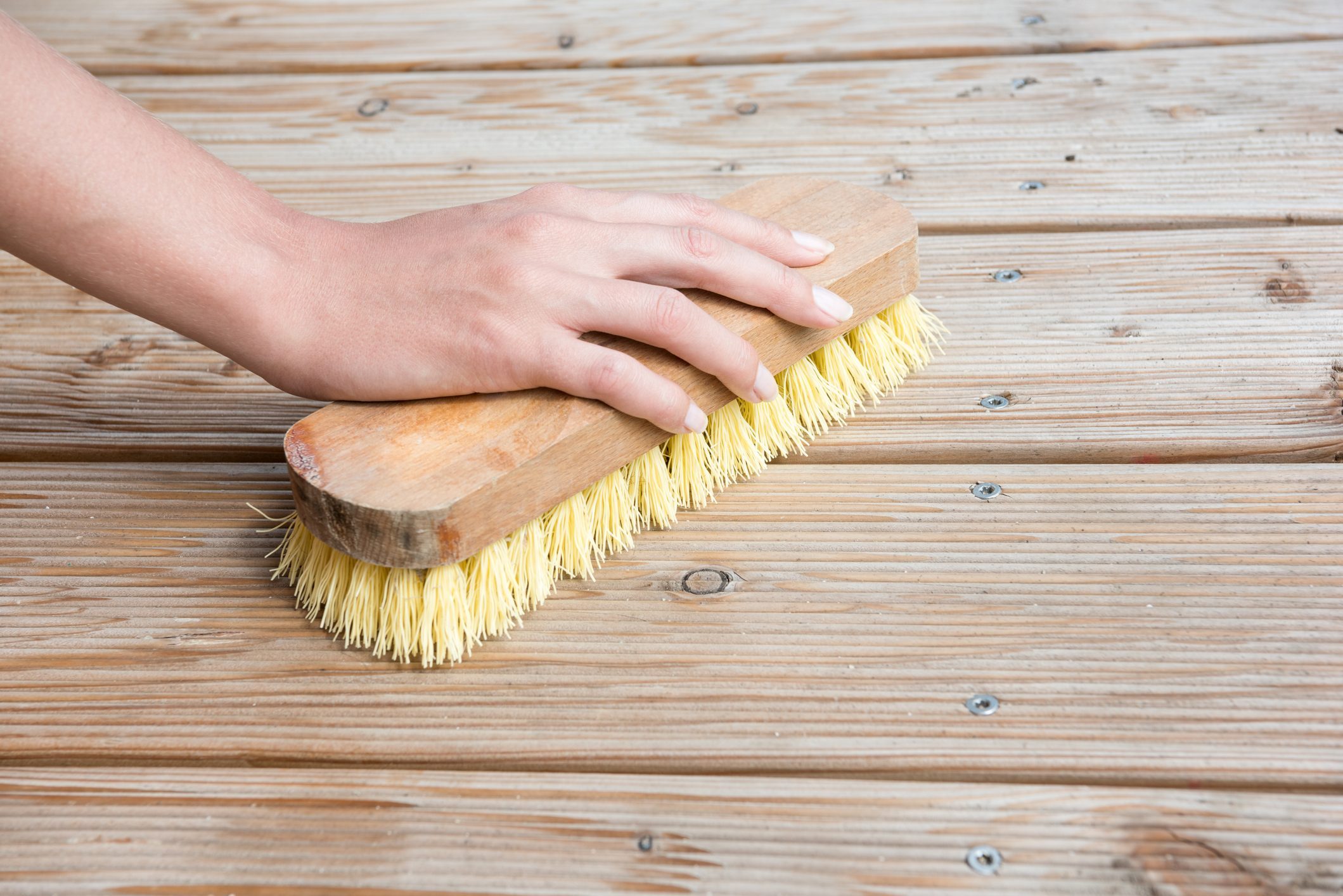
Preparing Your Deck for Fall in San Antonio Before the First Freeze
San Antonio gets a short window for deck prep. Our first freeze usually lands between late November and early December. That gives you roughly two months after the summer heat breaks to clean, inspect, and seal your deck.
Use that window. A deck that goes into winter dirty and unsealed will show cracking, warping, and mold by spring. Regular upkeep costs far less than replacing boards you neglected.
Here is how to get your deck in San Antonio ready for the season.

When Should You Start Fall Deck Prep in San Antonio?
Start in October. Two reasons.
First, sealers and stains need moderate temperatures. San Antonio afternoons in July and August often push past 95 degrees, which is too hot for most products to soak in properly. October and November hit the sweet spot.
Second, you need dry days. Clean, dry, seal, and cure takes the better part of a week. Waiting until the first cold front hits leaves no room for rain delays.
Decide How You Will Use the Space This Winter
Consider what you will be using your deck for as we head into the cooler months. Do you plan on still using it? Perhaps your grill is located on your deck and you like to cook dinner all winter long. Or maybe you get no use out of your deck in winter and want to shut it down altogether.
Our mild winters mean most San Antonio homeowners keep using the space. If that is you, invest in weather-resistant furniture that holds up to cool nights and morning damp.
Inspect Your Deck for Summer Damage
Now is the time to inspect your deck and see if you can notice any damage that occurred over the summer.
Deck damage can include:
- Water damage
- Sun damage, including faded or splintered boards
- Wind damage
- Damage from animals and wildlife
- Damage from termites
Also, be on the lookout for any leaks nearby, such as outdoor faucets or gutters that empty onto the deck. Standing water near a freeze is how you get board damage and slip risk.
Check the Structure, Not Just the Surface
Most homeowners look at the boards and stop. The parts that fail are underneath. Walk the deck and check four things:
- Stair posts. Are they still solidly connected?
- Railings and pickets. Push on them. Anything loose is a safety problem.
- Fasteners. Look for screws backing out or rusted nail heads.
- The ledger board. This is where the deck attaches to your house. Check that the flashing is intact and directing water away.
Test any post you suspect with a screwdriver. If the tip sinks a quarter inch into the wood, you have rot. The North American Deck and Railing Association publishes free deck safety resources that walk through every connection point.
Structural repairs are not a weekend project. If you find rot at a post or the ledger, call a contractor.
Clear the Area Around Your Deck
Inspect the wider area around your deck, keeping a particular eye on vegetation such as bushes and trees. Trim them back so they sit a foot or more away from your deck. This guards against mold and moss and keeps branches from falling onto the boards.
Rake the Leaves Before They Trap Moisture
Before the cold arrives, rake or brush off all fallen leaves, especially on a wooden deck. Leaves left in one spot rot and grow mold. Over the years that damages the structural integrity of your deck.
Pay attention to the gaps between boards. Wet debris packed into those gaps blocks drainage, and blocked drainage is what rots a deck from the middle out. A putty knife clears them fast.
Do this before you seal. Sealer will not bond to a dirty surface.
Apply a Deck Sealer or Stain in the Fall Window
Pick up a water-repellent finish and apply it to preserve your deck’s lifespan. A good finish guards against moisture infiltration and keeps cracking and warping at bay.
Fall is the best time of year to do this in San Antonio. Summer surface temperatures are too high for the product to penetrate, and it skins over instead of soaking in. If you are unsure which product fits your boards, read our guide on how to choose a deck stain.
What Temperature Is Right for Staining a Deck?
Most manufacturers list an application range of 50 to 90 degrees Fahrenheit. Behr recommends staying inside that range, and Thompson’s WaterSeal names 60 to 65 degrees as ideal while warning against anything above 95 degrees.
Two rules matter more than the number on the thermometer:
- Work in shade or low-angle sun. Direct sun bakes the surface well past air temperature.
- Do not stain if the overnight low will drop below freezing before the finish cures.
Always read the label. Ranges vary by product.
How Long Should the Deck Dry Before You Seal It?
Let the wood dry at least 24 hours after cleaning or rain. Two to three days is safer after heavy rain or pressure washing.
Check the forecast before you start. You want no rain for at least 24 hours after application, and 48 hours is better. San Antonio fall fronts move fast, so check again the morning you plan to work.
Fall Deck Care for Wood and Composite Decks
Wood and composite decks need different care.
Wood decks need the full routine. Clean, dry, then seal or stain. Skipping the finish is what leads to gray, splintered boards and warping.
Composite decks do not need sealing. They still need cleaning. Soap and water lifts pollen and dirt, and clearing the board gaps still matters because composite boards sit on a frame that can hold moisture. Check the fasteners for movement caused by temperature swings.
Either way, our deck maintenance basics guide covers the year-round routine.
Install a Deck Cover to Extend the Season
Another way to protect your deck through fall and winter is a permanent cover. A cover shields the boards from rain and sun, and it extends the seasonal life of your deck so you can use it year round. If a permanent structure is not your thing, a retractable awning works.
Patio covers give you full weather protection. A pergola gives you partial shade and structure without closing the space in. If you are weighing the two, we broke down the tradeoffs in our guide on whether to add a roof over your deck.
Add Lighting for Shorter Days
Sunset comes early in November and December. Step lights and railing lights keep the deck usable and safe after dark, and they make winter evenings outside far more appealing. Here is why deck lighting is worth the investment.
Consider Investing in a New Deck
During your fall inspection, you may find too many issues to fix. Sometimes a new deck costs less than repairing an old one. If your deck is older than 15 years, replacement is often the wiser call. Use the opportunity to upgrade to a more durable material such as composite decking.
Fall is also the right time to start the conversation. Design, permitting, and scheduling all take time, and demand climbs every spring. Homeowners who plan in October are the ones building in February. Our guide on how to price out a new deck walks through cost factors and materials.
Fall Deck Prep Checklist
Work through this in order:
- Clear furniture, planters, and grills off the deck.
- Rake leaves and clear debris from the board gaps.
- Inspect boards, railings, stair posts, fasteners, and the ledger board.
- Test suspect posts with a screwdriver for rot.
- Trim back trees and shrubs to a foot from the deck.
- Check nearby faucets and gutters for leaks that drain onto the deck.
- Clean the surface with a product made for your decking material.
- Let the deck dry at least 24 hours.
- Apply sealer or stain between 50 and 90 degrees, out of direct sun.
- Store or cover furniture you will not use.
Fall Deck Prep Questions
Is November too late to stain a deck in San Antonio?
No. November is often the best month here. Daytime highs sit comfortably in the application range, and our first freeze rarely arrives before late November. Watch the overnight lows and avoid staining if temperatures will drop near freezing during the cure.
Do I need to seal my deck every fall?
Not always. Splash water on the boards. If it beads up, your finish is still working. If it soaks in and darkens the wood, it is time to reseal. Most wood decks in our climate need attention every one to two years.
Should I pressure wash my deck before sealing?
Use low pressure or skip it. High pressure strips finish and tears wood fibers, which makes the problem worse. A stiff brush and a cleaner made for your decking material does the job with less risk. If you do use a washer, keep it at a low setting with a fan tip.
Contact Alamo Decks and Fence
If it is time for a new deck this fall, call Alamo Decks and Fence at (210) 320-2138 or request a free quote. We build decks, patio covers, and pergolas across San Antonio and the surrounding areas.

BUILD YOUR FENCE TODAY!
If you’re looking to beautify and enhance the security of your property, turn to Alamo Decks & Fence in Bexar County. We truly value our customers, which is why you can trust us to build your fence using the highest quality materials at the best prices possible.