
Common DIY Fencing Mistakes to Avoid Before You Dig in San Antonio
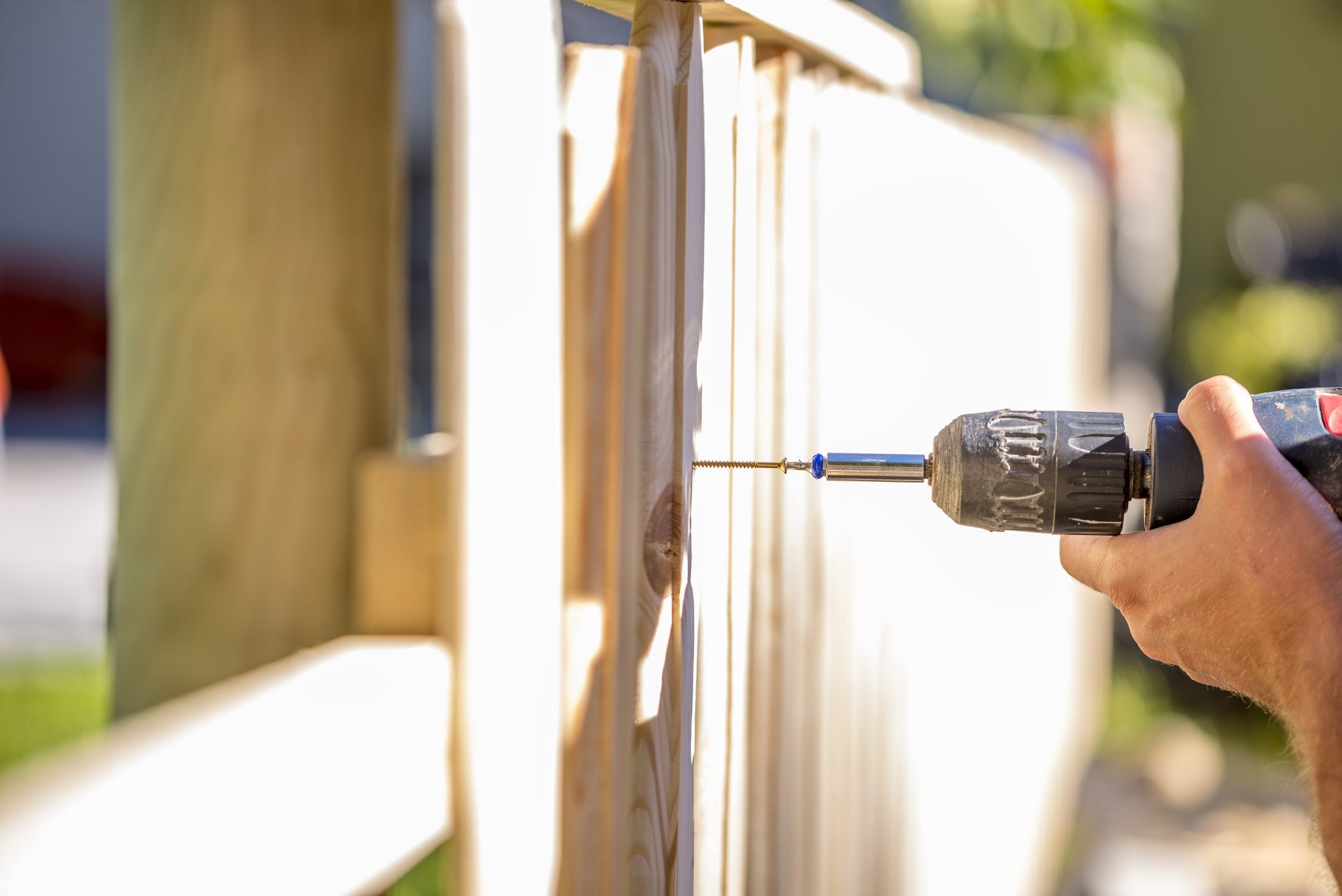
Many homeowners think they will save money by building their own fence. Often the opposite happens. A few wrong moves can cost more than hiring a professional fence installer in San Antonio from the start. Here are the most common DIY fencing mistakes, why they happen, and how to avoid them.
1. Skipping Permits, HOA Rules, and Property Lines
Local laws decide what you can build, how tall, and where. Get this wrong and you may pay fines or tear the fence down.
In San Antonio, the city’s Unified Development Code (Section 35-514) caps fence height by yard location and fence type. Front yard fences are the most limited. Solid wood or masonry fences in a front yard top out at 3 feet, and open styles like chain link or iron at 4 feet. Side and rear fences can usually reach 6 feet, and higher in some cases with extra steps. Corner lots also have a clear vision rule near street intersections.
A building permit is often required to build or repair a fence inside the city. Apply through the city’s Development Services Department on the BuildSA portal, and confirm the current rules before you start. Alamo Decks & Fence works across the areas we serve in Bexar, Comal, and Medina counties, and each city or HOA can set its own limits. Check three things first:
- City or county permit requirements
- HOA approval, if you have one
- Your exact property lines, confirmed by a licensed surveyor
Verify your boundaries so you do not build on a neighbor’s land. Moving a finished fence is expensive and avoidable.
2. Taking Inaccurate Measurements
Many homeowners rush their measurements or skip them. Measure the run length and the height at least twice. Those numbers set how much material you buy. Guess low and you stall mid-project. Guess high and you waste money. Account for post spacing, gate openings, and any custom cuts before you order.
3. Not Calling 811 Before You Dig
This is the one mistake that can hurt you. In Texas, the law requires you to contact Texas811 at least two business days before any digging, even in your own backyard, and even for fence posts. The service is free. Call 811 or file a request at Texas811.org, then wait for crews to mark the underground lines.
The risk is real. The Damage Prevention Council of Texas reports that CenterPoint Energy traced about one in ten of its gas line damages to fence building. Hitting a gas, power, or water line can injure you and leave you liable for the repair. Once the lines are marked, hand dig near the marks instead of using a power auger.
4. Setting Fence Posts Too Shallow for San Antonio Soil
Posts hold the whole fence. Set them too shallow and the fence leans or falls.
The standard rule is to bury at least one-third of the post length. For a typical residential fence that means a 2 to 3 foot hole, anchored with concrete or compacted gravel. San Antonio adds a twist. Much of Bexar County sits on expansive clay, with caliche and limestone closer to the Hill Country. This clay swells when it rains and shrinks during drought, and that constant movement heaves and tilts shallow posts over time. Deeper holes and solid concrete footings help your fence ride out the wet and dry cycles. A professionally installed fence is built for these soils from day one.
5. Ignoring Slope and Yard Grade
Most yards have some slope, even when it looks flat. Slope changes how the fence sits. The usual result is a large gap at the bottom. That gap looks off, and it lets small pets and children slip under. Plan for the grade by stepping or racking the panels to follow the ground.
6. Poor Gate Placement and Weak Hardware
Walk your yard and watch how people move through it. Place the gate where traffic already flows. The gate takes the most use, so it fails first when the build is weak. Use solid hardware, set the gate posts deeper, and leave enough clearance at the bottom so it swings freely. For wide driveways, a custom metal gate handles the weight and daily wear better than a patched-together opening.
7. Choosing Low-Quality Fence Materials
Cheap materials cost more later. They warp, rot, or rust, and you replace the fence sooner. Spend on grade where it counts. Quality wood fencing, treated lumber, or coated metal lasts far longer in the Texas heat and humidity.
8. Not Setting a Straight Fence Line
A fence that wanders is the clearest sign of a DIY job. Posts drift out of line when you eyeball them. Run a tight string line from the first post to the last, and set every post to that line. Check the post tops against a second string so the top of the fence reads as one clean line.
9. Rushing the Job Before Concrete Cures
Speed ruins fences. Posts need time to set before they carry any weight. If you attach rails and panels before the concrete cures, the posts shift and lean. Check the concrete bag for set and cure times, and wait before you hang the rest of the fence. The pause is short next to the cost of a leaning fence.
DIY or Hire a San Antonio Fence Contractor?
DIY can work for a short, flat, simple run. The math changes fast once you add permits, hard clay soil, slope, gates, and tool rentals. A single wrong cut on the property line or a set of shallow posts can erase the savings.
A licensed local crew handles the permit, the 811 call, the soil, and the layout, and stands behind the work. If you do hire out, read our guide on the mistakes to avoid when hiring a fencing contractor so you pick the right one. You can also get a free quote and compare it to your DIY budget before you decide.
Frequently Asked Questions
Do I need a permit to build a fence in San Antonio?
Often yes, inside the city limits. The Unified Development Code sets height limits that change by yard location, and a building permit is usually required. Confirm with the city’s Development Services Department before you start.
Do I have to call 811 before installing a fence in Texas?
Yes. Texas law requires you to contact Texas811 at least two business days before digging, even in your own yard and even for fence posts. The service is free.
How deep should fence posts be in San Antonio?
Bury at least one-third of the post length, usually 2 to 3 feet, and set it in concrete. Deeper footings resist the soil movement common in local clay.
Why do San Antonio fence posts lean over time?
Expansive clay and caliche swell when wet and shrink in drought. That cycle heaves shallow posts. Deeper, concrete-set posts move less.
Is it cheaper to build a fence myself?
Sometimes upfront. But mistakes like wrong post depth or a misplaced property line often cost more than hiring a contractor in the first place.
Contact Alamo Decks & Fence
Why hassle with DIY fencing when you can call Alamo Decks & Fence? You get high quality work and fair prices, built for San Antonio soil and code. To get a free quote, contact us now.
BUILD YOUR FENCE TODAY!
If you’re looking to beautify and enhance the security of your property, turn to Alamo Decks & Fence in Bexar County. We truly value our customers, which is why you can trust us to build your fence using the highest quality materials at the best prices possible.