
What’s Better for Your Property: Fence or Gate?
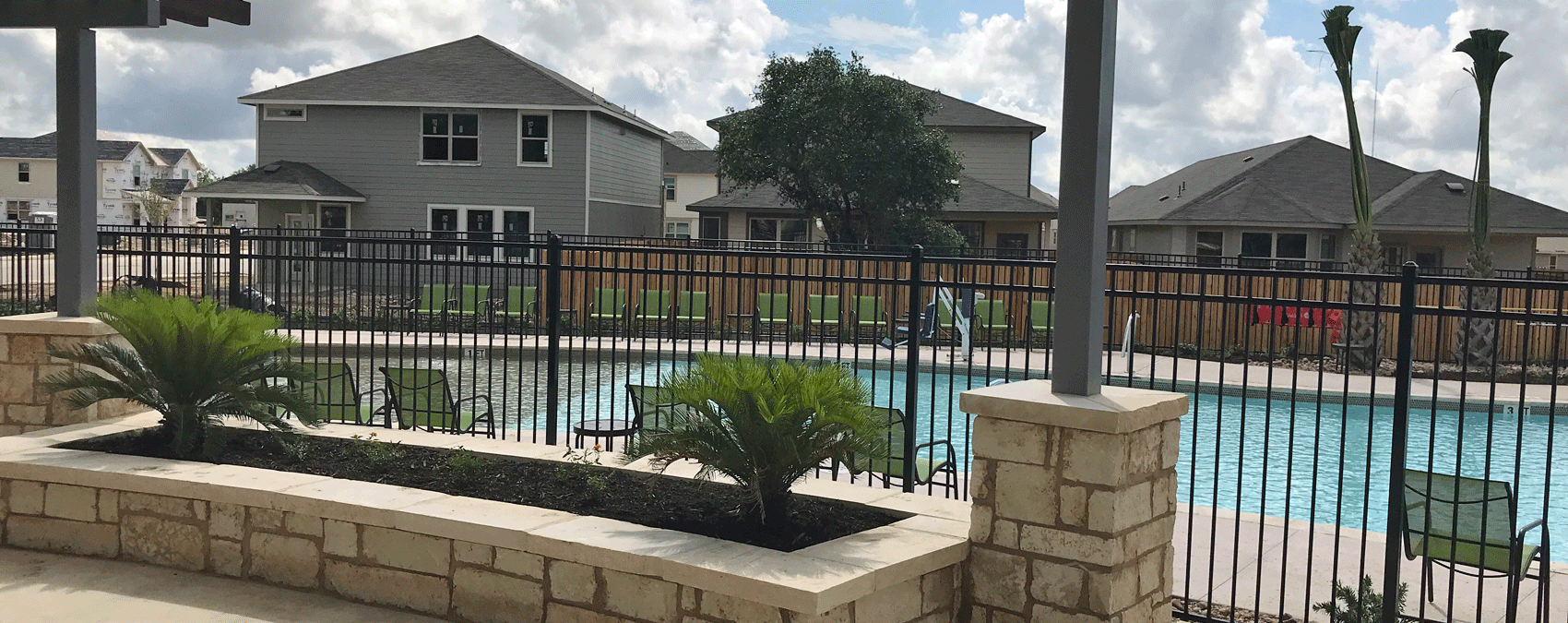
You know your property needs something more, maybe it’s added security, privacy, or just a boost in curb appeal. But that leads to a common question: Should you install a fence, a gate, or both?
At first glance, fences and gates might seem similar, but they serve very different purposes. One is focused on safety and structure, while the other is more about design, access, and visual appeal. The right choice for your home depends on your goals, property layout, and personal preferences.
Let’s break down the differences and help you make the best decision for your space.
Fence vs Gate at a Glance
Here is the short answer most people are looking for.
A fence is a fixed, continuous barrier. It runs along a boundary or encloses a section of your property. It does not move.
A gate is a hinged or sliding opening built into that barrier. It controls who walks or drives through.
Most San Antonio homes need both. The fence handles privacy, security, and property lines. The gate gives you and your guests a way in.
- Fence: Encloses, defines, protects. Stays in place.
- Gate: Opens, closes, grants access. Moves on hinges or a track.
- Both: Work together for full perimeter security plus controlled entry.
Fences: A Solid Choice for Structure and Safety
Fences are ideal when you need to enclose, protect, or clearly define your property. Whether you’re surrounding your entire yard or just a section like a pool, patio, or garden, fences provide dependable structure and function.
Why Homeowners Choose Fencing
- Safety and Containment
– Fences are a great way to keep kids and pets safe within your yard. They also help prevent unwanted visitors from getting in, whether that means animals or people. - Added Security
– Fences provide a visible barrier that discourages trespassers, burglars, and wildlife. They can help you feel more in control of who has access to your space. - Privacy
– If you value peace and quiet while spending time outside, fences give you a sense of seclusion. This is especially important in neighborhoods where homes are built close together. - Property Definition
– Fences help avoid disputes by clearly showing where your property begins and ends. They’re especially useful for homes in shared or tightly packed developments. - Curb Appeal
– The right fence can visually enhance your home’s appearance. You can use it to frame your landscape, complement architectural features, or create a more finished look.
Fence Design: Built Around Your Needs
Fences are incredibly flexible in both form and function. You can customize them to match your home’s style, adjust for terrain, or focus on a specific need like noise reduction or privacy.
Common Fence Styles
- Picket: Traditional and charming for front yards
- Split Rail: Rustic, open design ideal for large properties
- Privacy: Solid panels that block views and reduce sound
- Horizontal Plank: Sleek, modern design with clean lines
- Shadow Box: Alternating boards allow airflow while providing partial privacy
- Living Wall: Incorporates plants for a natural, eco-friendly look
Fence Material Options
Each material has its own strengths and style:
- Wood: Warm, natural appearance with customizable options. Requires regular maintenance.
- Vinyl: Low-maintenance, clean appearance, ideal for privacy.
- Chain Link: Budget-friendly and secure, but less decorative.
- Aluminum or Iron: Durable, attractive, and resistant to weather.
- Composite: Offers the look of wood without the upkeep.
Choose a material that matches your home’s exterior and fits your lifestyle. For example, if you prefer a low-maintenance solution, vinyl or composite might be the way to go. South Texas heat, sun, and storm season also matter. See our guide to the best fence material for Texas weather before you commit.
Gates: A Stylish, Functional Accent
Gates serve a different purpose than fences. Instead of enclosing a space, they control access to it. Gates are typically used to define entry points and add charm to an otherwise ordinary space.
Where Gates Excel
- Defined Entry Points
– Gates offer a clear, stylish way to guide people into a space. Whether it’s a garden, a walkway, or your front yard, a gate sets the tone for what’s ahead. - Visual Interest
– A well-designed gate becomes a focal point. It can add personality, elegance, or rustic charm depending on the style you choose. - Light Functionality
– Gates are useful for light control of foot traffic or access to a specific area, such as a side yard or enclosed garden. However, they are not designed to provide the same level of security or containment as fences.
Gate Design: Small Feature, Big Impact
Although gates are smaller than fences, they offer just as much design potential. They can be customized to suit the look and function of your home.
Popular Gate Styles
- Lattice: Decorative with open patterns
- Privacy: Solid with limited visibility
- Farm Style: Sturdy and classic, with cross-bracing
- Spaced Picket: Light and inviting
- Shadow Box: Balances privacy and airflow
Customization Options
- Choose between a single-door or a double-door entry
- Add hardware such as latches, locks, or decorative handles
- Select shapes like arched tops, scalloped edges, or straight lines
- Personalize with metalwork, carved wood, or even lighting features
- Pick from materials like wood, vinyl, wrought iron, bamboo, or composite
Gates allow you to express your style and enhance your property without overwhelming the space.
Driveway Gates: When You Need More Than a Walk-Through
A standard pedestrian gate works fine for foot traffic. For your driveway, you need a heavier build. Driveway gates handle vehicles, security, and curb appeal at the same time.
The three common driveway gate types:
- Swing gates: Best for flat, long driveways with room to arc open.
- Sliding gates: Best for tight lots or sloped driveways with no swing clearance.
- Cantilever gates: A sliding gate that hangs in the air on a track. No ground rail. Good for uneven ground.
Plan for these features before installation:
- Automation: Add a motor with keypad, remote, or app control.
- Material: Custom steel or wrought iron handles Texas heat and looks sharp at the curb. See our custom metal vehicular gate work.
- Safety sensors: Required on any motorized gate so it stops if a person, pet, or car is in the way.
- Power source: Hardwired or solar, depending on access to electrical at the gate post.
If you want a full perimeter setup with a custom fence installation and a matching driveway gate, plan both at the same time. The look stays consistent and the budget stays tighter.
Should Your Fence Gate Open In or Out?
Most residential fence gates should swing inward, away from the street or sidewalk. Inward swing keeps the gate from blocking public space, protects the broad face from wind hits, and avoids smacking people walking by.
A few exceptions:
- Pool gates: Texas pool code requires self-closing, self-latching gates that swing outward, away from the pool. This keeps a child from getting trapped inside.
- Tight side yards: If you have less than three feet of clearance inside the fence, swing the gate outward so it does not hit the house, AC unit, or landscaping.
- High wind exposure: On open lots, swing the gate toward the prevailing wind so gusts press it shut instead of popping the latch.
Plan the swing direction before the post hardware goes in. Reversing it later means new hinges, new latch placement, and sometimes a new strike post.
Can You Use a Fence Panel as a Gate?
Yes, but only with extra framing. A standard fence panel is built to sit between two posts. A gate has to swing under its own weight without sagging.
To turn a panel into a working gate:
- Build a frame. Add a rectangular wood or steel frame inside the panel for rigidity.
- Add a diagonal brace. Run a brace from the bottom hinge corner up to the top latch corner. This stops the gate from drooping over time.
- Use heavy-duty hinges. Three hinges, not two, on any gate over four feet wide.
- Set a stronger hinge post. A gate post needs deeper concrete and often a 6×6 instead of a 4×4.
- Pick the right latch. Self-closing, self-latching hardware keeps kids and pets where they belong.
DIY versions sag within a season if the frame is light. For a clean, lasting result, a custom fence builder will frame and hang the gate properly the first time.
How Much Does a Fence Gate Cost in San Antonio?
Fence gate cost in San Antonio depends on size, material, and whether the gate is motorized. Rough ranges based on jobs we see across Bexar County:
- Standard wood walk-through gate (3 to 4 ft wide): $250 to $600 installed
- Custom wood double gate or arched top: $800 to $1,800
- Wrought iron or ornamental walk gate: $700 to $2,000
- Manual single swing driveway gate: $1,500 to $4,000
- Automated driveway gate with motor and keypad: $4,500 to $12,000+
Final price moves with hardware quality, post depth, soil conditions, and whether the gate ties into existing fencing. A gate built into a new wood fence usually costs less than retrofitting one into an old run.
For an exact number on your property, get a free quote and we will measure on site.
Should You Choose a Fence, a Gate, or Both?
To decide between the two, ask yourself what your main goals are. Here’s a quick breakdown:
| If You Want To… | Choose: |
| Keep pets and kids safe | Fence |
| Increase privacy | Fence |
| Prevent intruders | Fence |
| Mark your property line | Fence |
| Create a decorative entry | Gate |
| Guide visitors into a space | Gate |
| Add charm to a garden or path | Gate |
| Get structure with style | Both |
For many homeowners, the best approach is to use both. Fences provide structure, privacy, and protection, while gates add visual appeal and define how people move through the space.
Frequently Asked Questions
What is the difference between a fence and a gate?
A fence is a fixed barrier that runs along a boundary or encloses part of your property. A gate is a movable section built into that barrier that opens and closes for access. Fences provide structure. Gates provide entry.
Is a gate a fence?
A gate is part of a fence system, but it is not a fence on its own. The fence runs along the boundary. The gate is the hinged opening built into the run.
What is the purpose of a gate vs a fence?
A fence marks property lines, contains pets and kids, blocks views, and deters trespassers. A gate controls who walks or drives in. Most properties use both for full coverage.
Should a fence gate open in or out?
Most residential gates should swing inward, away from the street. Pool gates in Texas must swing outward, away from the pool, by code.
What is the best color for a fence and gate?
Match the gate to the fence for a clean look. Stained natural wood, black iron, and white vinyl are the most common picks in San Antonio. Save bold accent colors for front yard pedestrian gates only.
Can a fence work without a gate?
Yes, but you will still need a gate somewhere for yard access, lawn care, and trash service. Most homes need at least one walk gate even if the front of the property is open.
Can you turn a fence panel into a gate?
Yes, with added framing, a diagonal brace, and heavy-duty hinges. Without those, the panel will sag in months. See the section above for the full build steps.
How much does a residential fence gate cost in San Antonio?
Most residential walk gates run $250 to $1,000 installed. Custom and driveway gates run higher. See the cost section above for full ranges by gate type.
Let Alamo Decks and Fence Help You Decide
Not sure what’s best for your property? Let our experts walk you through it. At Alamo Decks and Fence, we specialize in building fences and gates that are functional, attractive, and tailored to your home.
Whether you need a secure perimeter, a custom garden gate, or a full fencing system, we have options to suit your goals and your budget. We work with both residential and commercial properties in the San Antonio area and offer a wide range of materials and styles to choose from. Call us today for a free consultation and quote.
Let’s create something that looks great and works even better, for your home, your family, and your peace of mind.

BUILD YOUR FENCE TODAY!
If you’re looking to beautify and enhance the security of your property, turn to Alamo Decks & Fence in Bexar County. We truly value our customers, which is why you can trust us to build your fence using the highest quality materials at the best prices possible.